 +1-530-388-5507
 +91 91633 67905





Why Arobit Supports Verified .IN Domains: Building Trust in India�s Digital Space
Knowledge Base
A
Amit De
A defect found during development costs a fraction of what it costs to fix after release. Arobit's software testing and QA services are built around that reality. Our QA engineers join your project at the requirements stage — reviewing specs, defining acceptance criteria, and designing test cases before development begins. This shift-left approach eliminates entire categories of defects before they enter the codebase.
We combine manual and automated testing to cover what each does best. Manual testing handles complex user journeys, edge cases, and exploratory scenarios that scripts cannot replicate. Automation handles regression coverage, high-frequency release cycles, and load simulation — delivering speed and repeatability at scale. Together, they give you complete coverage without sacrificing agility.
Our team brings experience across web applications, mobile apps, REST APIs, enterprise ERP and CRM systems, and SaaS platforms — and understands the domain contexts that make test cases meaningful. A test plan for a fintech loan portal looks very different from one for a manufacturing ERP, and we write them accordingly.

From manual functional testing to full automation frameworks — here is what our QA team delivers.

Human-driven functional, exploratory, and usability testing to validate that your software behaves as intended across all real-world usage scenarios.

Selenium, Playwright, and Cypress-based automation frameworks that run regression suites on every build — reducing release risk without slowing your delivery pace.

JMeter and k6-based performance tests that simulate real user load — exposing bottlenecks, memory leaks, and failure thresholds before they hit production.

OWASP Top 10-aligned security assessments using Burp Suite and OWASP ZAP — identifying SQL injection, XSS, authentication flaws, and privilege escalation vulnerabilities.

REST and GraphQL API testing with Postman and REST Assured — validating request-response accuracy, error handling, authentication, and contract compliance.

Appium-based automation and manual device testing for iOS and Android — covering functional correctness, UI consistency, performance, and network edge cases.

Automated regression suites that verify new code changes have not broken existing functionality — run on every release cycle to protect production stability.

QA strategy design, test plan creation, tool selection, and team setup — for organisations building a QA capability from scratch or improving an existing one.
Quality assurance is only valuable if it catches real problems before they reach your users. Here is how we make that happen.

Our QA engineers review requirements and write test cases before development begins. Defects caught at the specification stage cost up to 100x less to fix than defects found in production.

We apply manual testing to exploratory scenarios and complex user journeys, and automation to regression and load testing. You get depth and speed in one engagement.

Every test cycle ends with a structured report: test cases executed, pass/fail ratios, defect density by module, severity breakdown, and open critical issues. You always know the quality state of your software.

Our testers understand the industries they test for — healthcare compliance, fintech security requirements, FMCG distribution logic. Test cases reflect real-world usage, not just happy-path scenarios.

Automated test suites are wired into your CI/CD pipeline — running on every commit and blocking releases when critical tests fail. Continuous testing becomes part of your delivery rhythm.
Arobit is a mobilizable Software Development Agency with a remarkable list of 800 clients' achievements across the globe.

+
Real-time ERPs,CRMs, and Mobile Applications live in the market

+
Proven Yearsof Expertise with 96% retention rate

+
Countries globally,to which Arobit has successfully exported software

+
Industry specificin-depth knowledge
A structured six-step QA process that integrates with your development cycle and delivers clear outcomes at every stage.


Domain knowledge shapes test quality. Our QA engineers understand the workflows, compliance requirements, and user expectations of the industries they test for.
Manufacturing ERPs and production management systems carry high-stakes business logic — inventory calculations, production order workflows, quality control gates, and dealer portal transactions. A defect in any of these can disrupt plant operations or trigger incorrect distributor billing. Our QA team tests manufacturing software with a focus on data integrity, workflow accuracy, and system performance under concurrent user load from multi-plant and multi-user environments.
Healthcare software testing requires precision around patient data accuracy, regulatory compliance, and system reliability — where a defect is not merely an inconvenience but a clinical risk. Our QA team validates healthcare applications against compliance requirements, tests integrations with EMR, LIS, and billing systems, and applies role-based access testing to ensure patient data never reaches the wrong user. Security testing is a standard component of every healthcare engagement.
FMCG and retail systems operate at high transaction volumes — distributor claims, promotional scheme calculations, and field-sales reporting where a calculation error has direct financial impact. Our QA team tests FMCG software with a focus on business logic accuracy, promotional scheme validation, and performance under peak sales period loads. We bring experience with distribution management systems, field-force apps, and retail analytics platforms.
Fintech applications — loan portals, investment platforms, and payment systems — require testing standards that go well beyond standard functional coverage. Our QA team applies security-first testing aligned to OWASP Top 10, validates transaction accuracy under concurrent load, tests authentication and session management rigorously, and ensures audit trail completeness. Every fintech engagement includes both functional and security testing as a default.
Logistics and supply chain systems depend on accurate, real-time data flows — shipment status, route updates, delivery confirmations, and customer notifications. A defect in any of these creates operational failures and customer-facing disruption. Our QA team tests logistics software with attention to data sync accuracy, API integration reliability between TMS and WMS systems, and mobile app performance under variable network conditions.
E-commerce platforms must perform flawlessly at peak traffic — checkout failures, inventory discrepancies, and payment gateway errors have immediate, measurable revenue impact. Our QA team tests e-commerce software for checkout flow accuracy, payment gateway integration reliability, product catalogue consistency, and performance under seasonal traffic spikes. Cross-browser and mobile device compatibility are tested as standard across all e-commerce engagements.
Real-world software solutions we've engineered for businesses across industries and geographies
Government Organization, India
View Project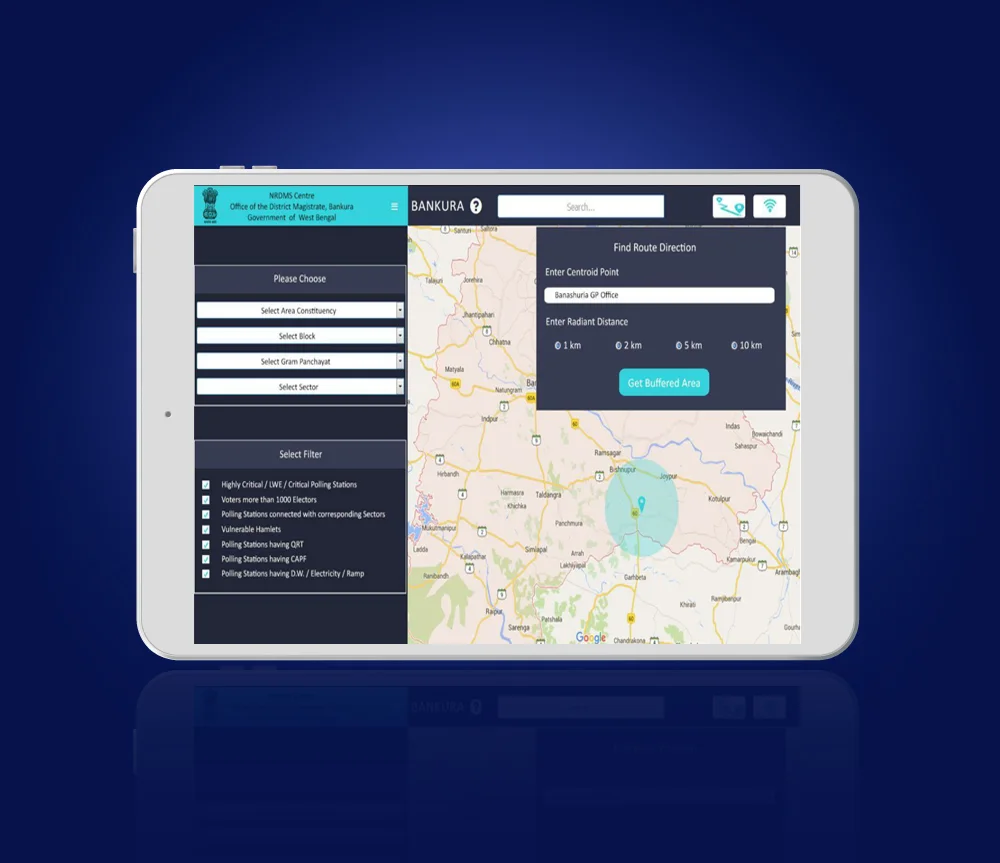
FMCG Distributor, Bengaluru
View Project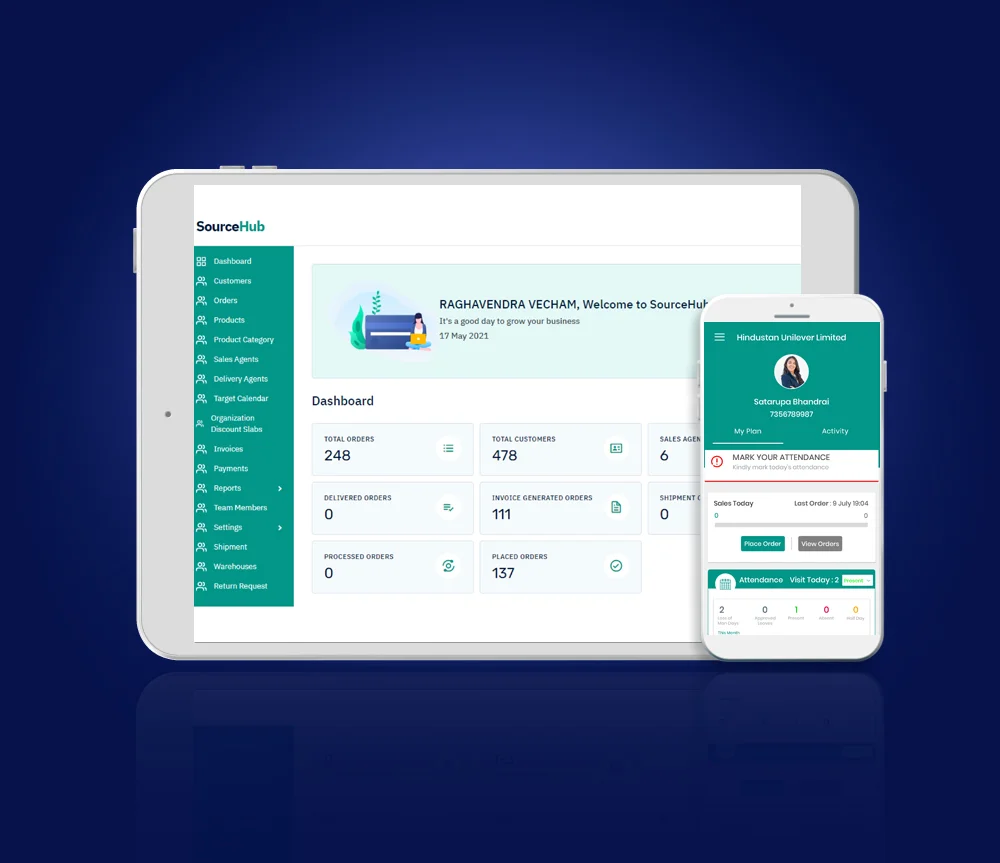
Real Estate Company, Bengaluru
View Project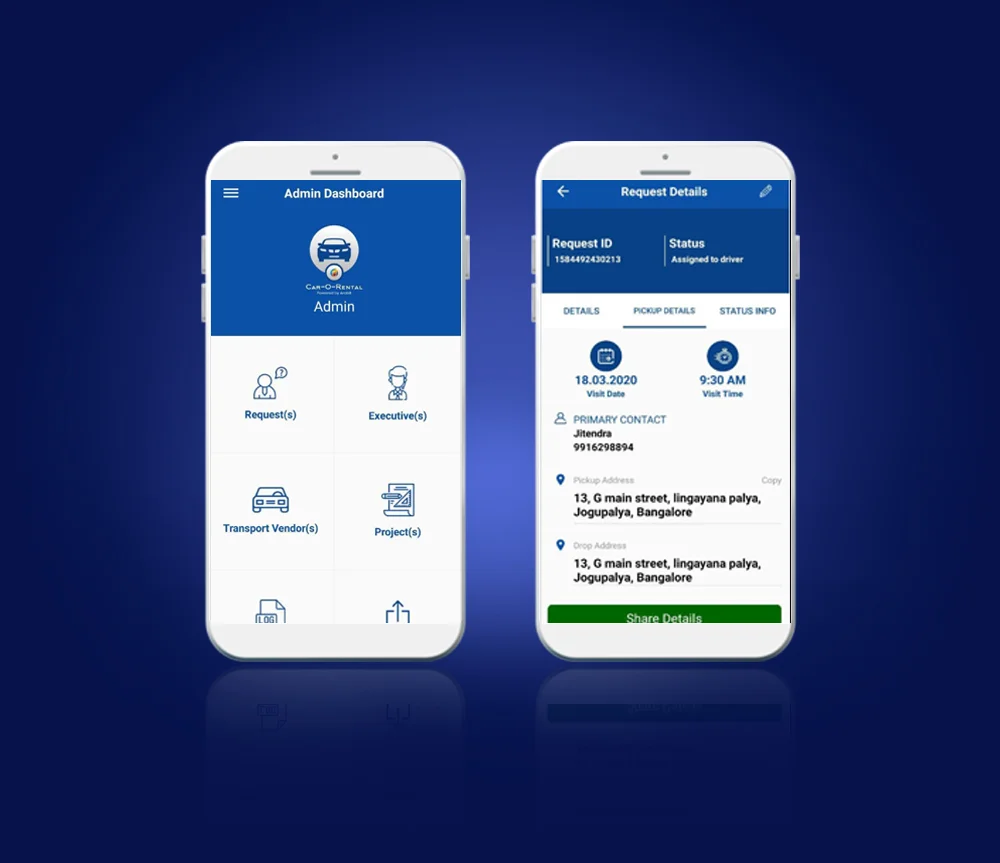
Mining Corporation, India
View Project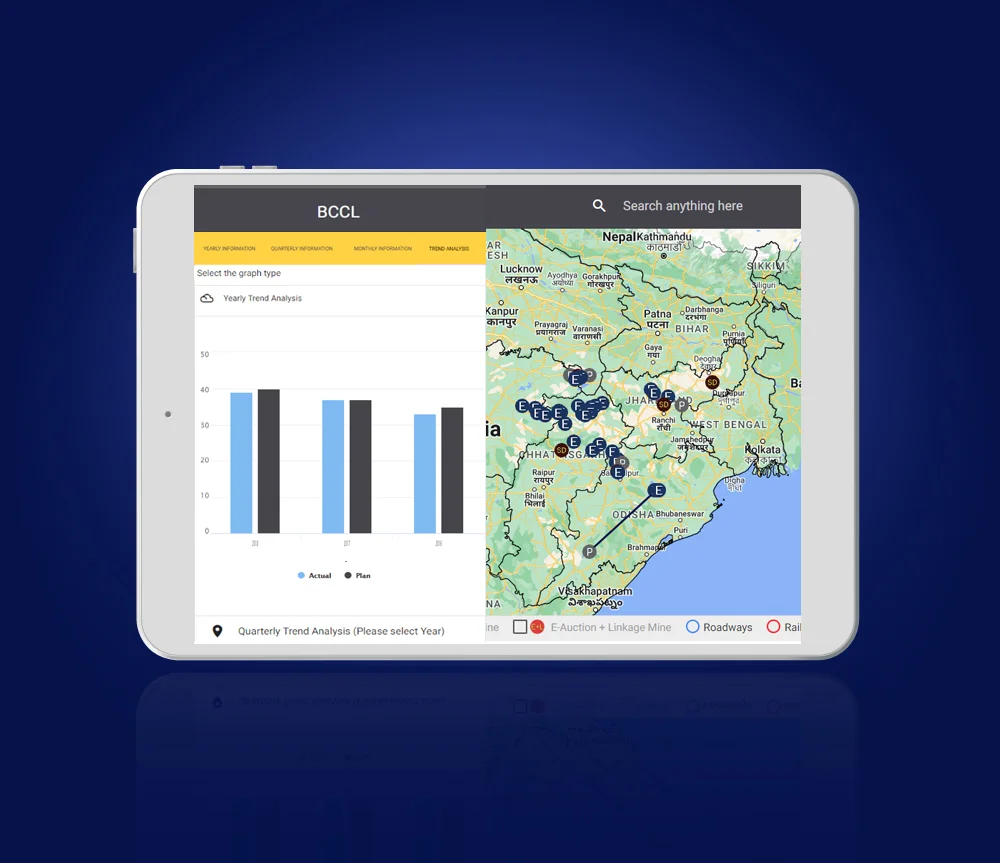
Shipping Industry, Italy
View Project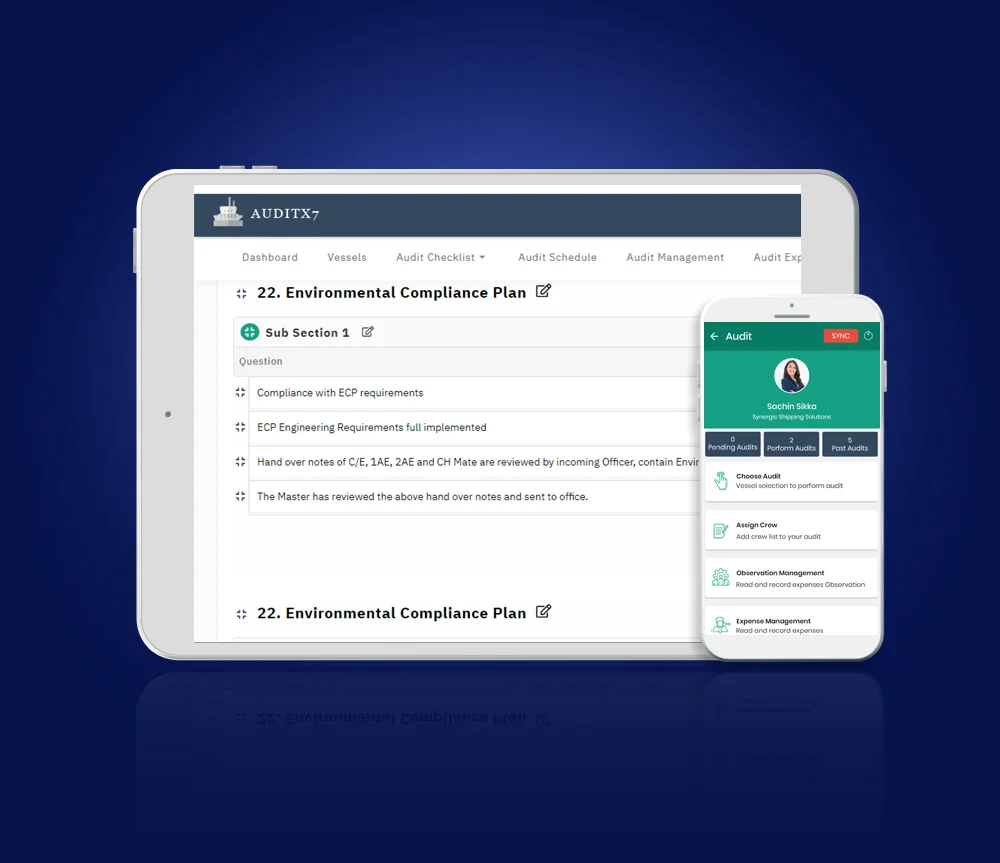
Sports Association, India
View Project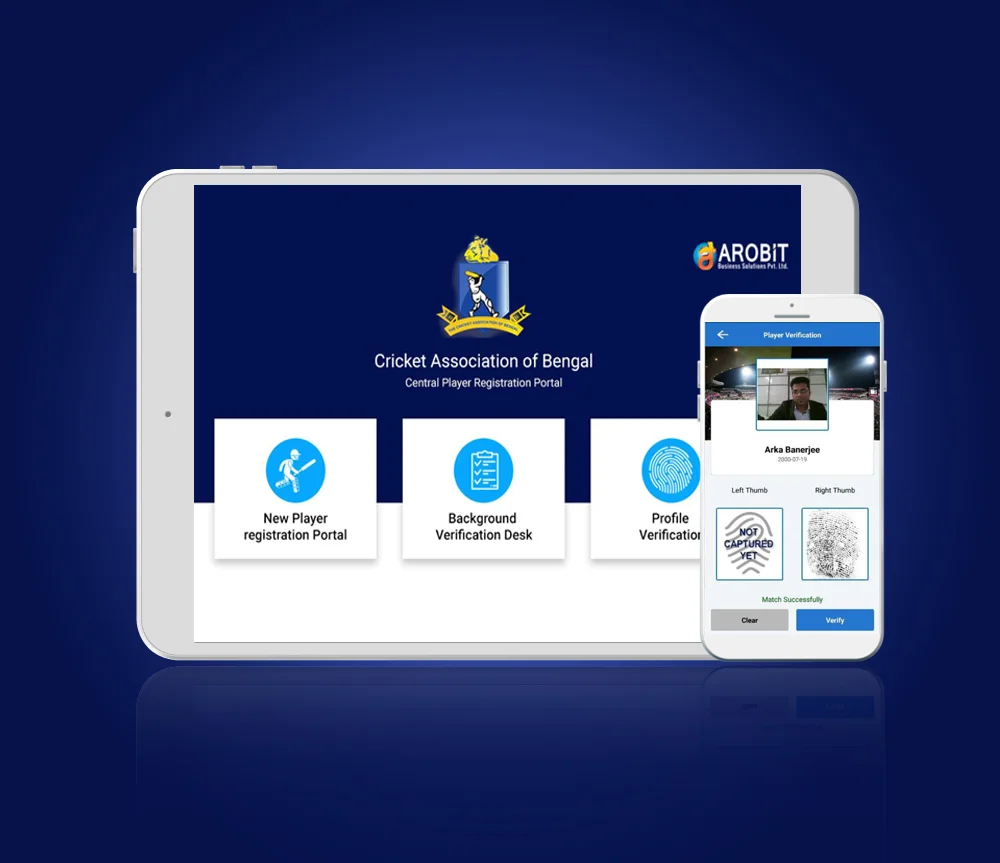
Manufacturing Plant, India
View Project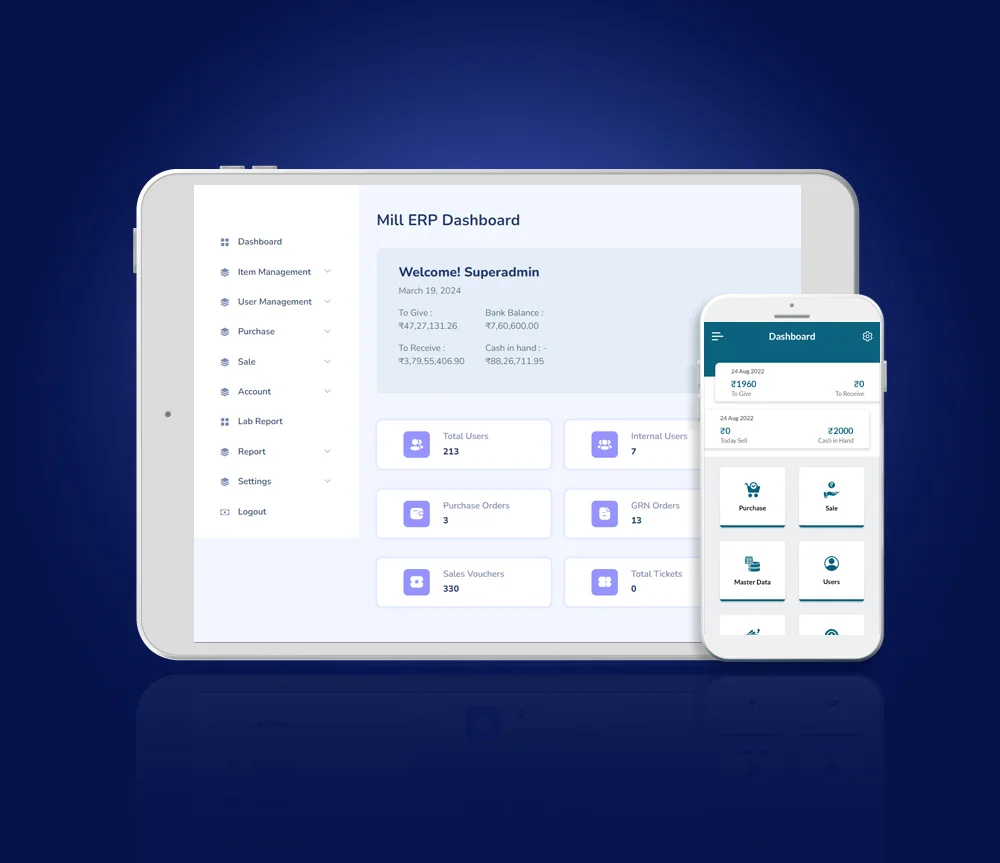
EdTech Company, Bengaluru
View Project
FoodTech Brand, Vietnam
View Project
Event Management Company, Prague
View Project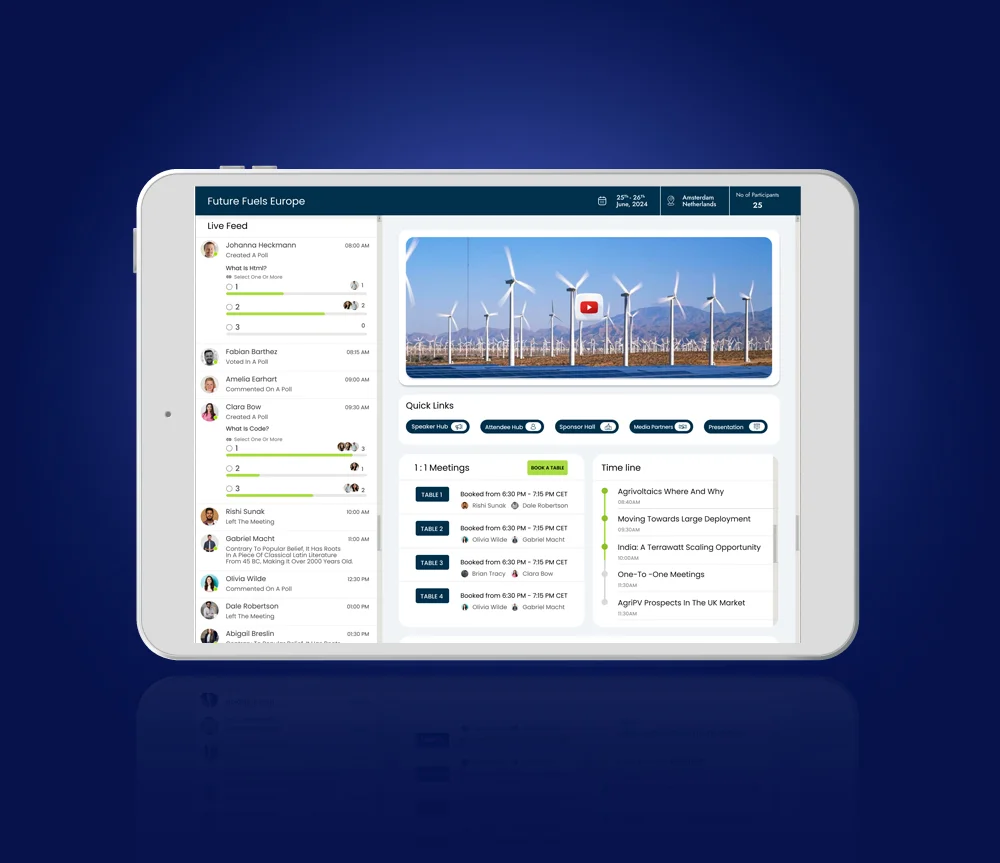
Parking Provider, UK
View Project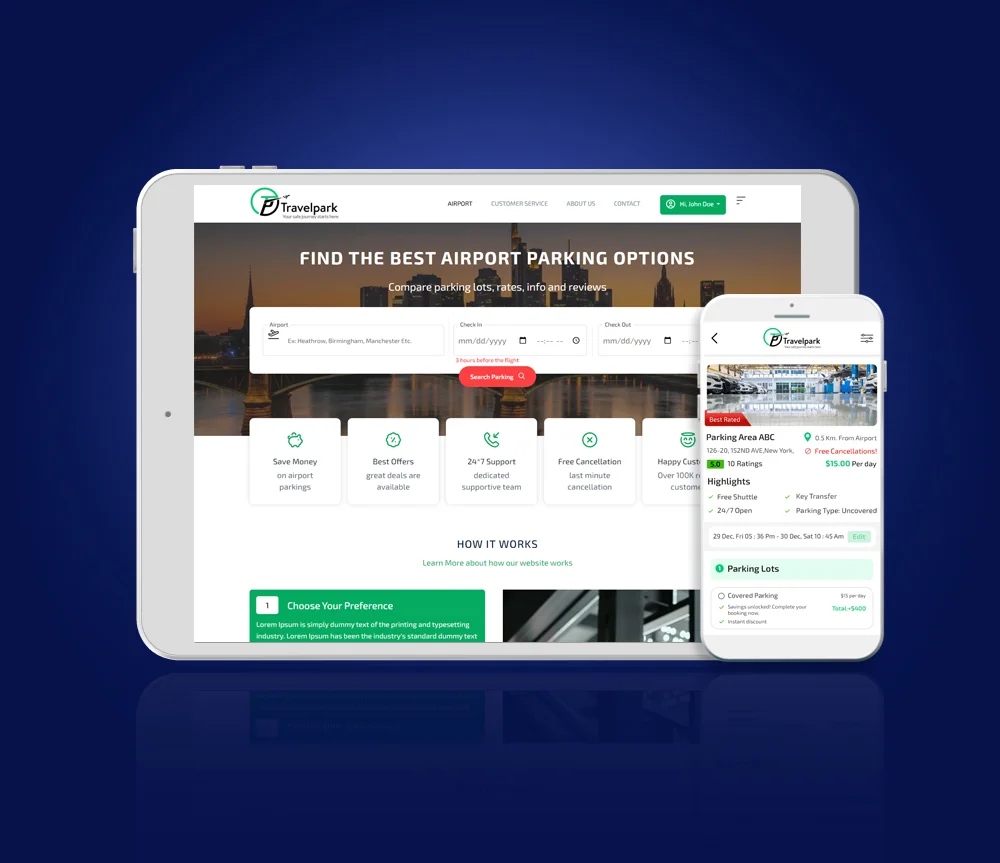
We partnered with Arobit to build a custom CRM and web store for our expanding operations. Earlier, everything was managed on Excel, but Arobit’s solution streamlined processes and improved efficiency across divisions. Their commitment and delivery have given us complete confidence in the partnership.
Arobit developed a customised ERP that unified our FMCG and e-commerce operations. Earlier, all tasks were manual, but their all-in-one software made our workflow seamless and reduced downtime. We truly appreciate their support and responsiveness throughout.
We have been working with Arobit since 2022 for a custom ERP Software for my flour mill. I wanted everything to be automated with the least manpower. Arobit understood the solution and they implemented everything.
So I am very grateful to Arobit for catering to my needs and developing the software as I required.
It has been a real pleasure working with Arobit. What I really like about Arobit is, they have a great attention to detail, they go out of their way to understand what our real problem is and also at the same time provide us with a solution for that matter.
A proficient and driven young team excels in delivering high-quality, cost-effective solutions. Meticulous in their work, they blend creativity with efficiency. Wishing them continued success and anticipating fruitful collaborations on multiple assignments with Acquist.

Arobit truly stands out as an incredibly dynamic and client-focused web solution company. Their patient understanding of our vision and precise delivery in alignment with it have been invaluable. Sending the entire Arobit team my best wishes for continued success.

Software testing is the act of executing a program to find defects. Quality assurance (QA) is broader — it covers the entire process of ensuring software meets defined quality standards, from requirements review through release. Testing is a subset of QA. Arobit provides both: process-level QA and hands-on testing across all phases of development.
As early as possible — ideally at the requirements stage. This is called shift-left testing. When QA joins at requirements gathering, testers can flag ambiguous specs and missing acceptance criteria before a single line of code is written. Defects found at this stage cost a fraction of what they cost to fix post-development or post-release.
Arobit provides manual testing, test automation, performance and load testing, security and penetration testing, API testing, mobile app testing, regression testing, UAT support, and QA consulting. We cover web applications, mobile apps, enterprise systems, and API layers.
Test automation uses scripts and frameworks to execute test cases automatically, removing the need for manual repetition. It is most cost-effective when the same test scenarios run repeatedly across sprints, regression coverage is large, or you need to test under high load conditions. Automation typically pays back its setup cost within three to four release cycles.
For web automation we use Selenium and Playwright. For mobile apps we use Appium. For API testing we use Postman and REST Assured. For performance testing we use Apache JMeter and k6. For security testing we use OWASP ZAP and Burp Suite. Test management is handled through JIRA, TestRail, or Azure DevOps depending on your existing toolchain.
Performance testing is the broad category covering how a system behaves under different conditions. Load testing measures behaviour under expected peak user volumes. Stress testing pushes beyond peak to find the breaking point. Spike testing simulates sudden traffic surges. Endurance testing checks for memory leaks over extended periods. Arobit designs the right performance test mix based on your traffic patterns and SLAs.
Yes. We regularly engage on live systems for one-time QA audits, pre-release regression cycles, security audits, and performance benchmarks. We work on a separate test environment mirroring production to avoid disruption. If no test environment exists, we can help set one up as part of the engagement.
QA as a Service means outsourcing your entire quality assurance function to Arobit. We take ownership of QA strategy, test case design, test execution, defect management, and reporting — acting as your dedicated QA department. This model is suitable for teams without an in-house QA function or those who want to scale QA capacity without permanent headcount.
We log all defects in your defect tracking tool of choice — JIRA, Azure DevOps, or Bugzilla — with full reproduction steps, screenshots, severity classification, and priority tags. We provide a test summary report at the end of each cycle covering: test cases executed, pass/fail rates, defect density by module, and outstanding critical issues.
We provide software testing and QA services for manufacturing, healthcare, FMCG and retail, fintech, logistics, and e-commerce industries. Our testers are trained to understand domain-specific workflows — writing test cases that reflect how real users in those industries actually use the software, not just what the spec says.
Depending on the engagement type, deliverables include: a test plan and strategy document, a full test case repository, automated test scripts (for automation projects), defect reports with severity and priority classification, a final test summary report with pass/fail metrics, and — for security testing — a vulnerability report with a remediation roadmap.
Stay on top of the latest trends and industry developments with our insightful blogs.