 +1-530-388-5507
 +91 91633 67905




Why Arobit Supports Verified .IN Domains: Building Trust in India�s Digital Space
Knowledge Base
A
Amit De
A $200,000 ERP rollout went live six months late and the operations team still runs three parallel spreadsheets. The system was implemented, but no one mapped it to how the business actually processes orders.
There's a document that calls itself a technology roadmap. It has eight priorities, no sequence, no cost estimates, and no owner. Every quarter the priorities shift and no project reaches completion.
A SaaS audit found $84,000 in annual subscriptions across tools that overlap or are barely active. Nobody owns the stack. Vendors renew automatically. The IT budget grows but productivity doesn't.
From technology roadmaps to AI strategy — structured, senior-led, and delivered as working artefacts your team owns.
Most organisations have a list of IT wants. We build a sequenced, costed, business-aligned technology roadmap with clear ownership at every milestone. Typical engagement: 4–8 weeks.
Transformation fails when it's treated as an IT project. We run transformation programmes that are business-led, technology-enabled, and change-managed from day one. Typical engagement: 8–16 weeks.
Moving to cloud without a strategy means paying more for less reliability. We architect cloud programmes around your cost, compliance, and performance requirements — not the vendor's defaults. Typical engagement: 6–12 weeks strategy, then execution.
Before you scale, invest, or sell the business, you need an honest view of your technology estate — not a vendor's optimistic pitch. Typical engagement: 2–4 weeks.
A business that can't answer "who owns this system?" is one incident away from a costly disruption. We build the governance structures that prevent that conversation from happening in a crisis. Typical engagement: 4–8 weeks.
Every organisation wants AI. Few have a structured plan for where it creates real value versus where it creates risk. We build that plan — before you write a line of code. Typical engagement: 4–6 weeks.
Most organisations have a list of IT wants. We build a sequenced, costed, business-aligned technology roadmap with clear ownership at every milestone. Typical engagement: 4–8 weeks.
Transformation fails when it's treated as an IT project. We run transformation programmes that are business-led, technology-enabled, and change-managed from day one. Typical engagement: 8–16 weeks.
Every engagement produces structured, decision-ready outputs — not presentations that sit in inboxes. Click a tab to see what our clients receive.
A sequenced 24-month roadmap with cost bands, business owner assignments, and dependency flags — updated live in your project workspace. Every milestone has a defined deliverable, an owner, and a go/no-go gate.
| Project | Owner | Progress | Due | Status |
|---|---|---|---|---|
| Customer Portal v3 | Priya S. | Aug 12 | On Track | |
| Mobile SDK 2.0 | Raj K. | Sep 1 | On Track | |
| API Gateway | Dev P. | Jul 30 | At Risk | |
| Analytics v2 | Anita R. | Oct 15 | Planning |
| Invoice | Amount | Date | Status |
|---|---|---|---|
| #INV-2407 | $799 | Jul 1 | Paid |
| #INV-2406 | $799 | Jun 1 | Paid |
| #INV-2405 | $799 | May 1 | Paid |
A scored assessment of your current stack, with technical debt in dollar terms and a prioritised remediation backlog ready for sprint planning. Every finding is categorised by severity, business impact, and cost to close.
| Order # | Date | Amount | Status |
|---|---|---|---|
| #ORD-8821 | Jul 22 | ₹67,500 | In Transit |
| #ORD-8817 | Jul 18 | ₹1,20,000 | Delivered |
| #ORD-8812 | Jul 14 | ₹45,000 | Delivered |
| Product | SKU | Price | Stock | |
|---|---|---|---|---|
| Premium Emulsion 20L | EMU-020 | ₹4,200 | + Add | |
| Matt Finish 10L | MAT-010 | ₹1,850 | + Add | |
| Weather Coat 5L | WCT-005 | ₹980 | Low Stock | |
| Texture Base 20L | TXB-020 | ₹3,600 | Out of Stock |
| Order # | Date | Amount | ETA | Status |
|---|---|---|---|---|
| #ORD-8821 | Jul 22 | ₹67,500 | Jul 26 | In Transit |
| #ORD-8817 | Jul 18 | ₹1,20,000 | — | Delivered |
| #ORD-8812 | Jul 14 | ₹45,000 | — | Delivered |
| #ORD-8806 | Jul 8 | ₹88,000 | — | Delivered |
| Claim # | Type | Amount | Raised | Status |
|---|---|---|---|---|
| #CLM-441 | Damage Return | ₹8,200 | Jul 20 | Under Review |
| #CLM-438 | Q2 Scheme | ₹22,000 | Jul 15 | Approved |
| #CLM-432 | Short Supply | ₹4,500 | Jul 10 | Settled |
Each validated AI opportunity ranked by implementation effort, data readiness, and projected business value — with a recommended sequence. Built before you write a line of code, so every AI investment is justified in advance.
| Outlet | Check-in | Order Value | Status |
|---|---|---|---|
| Reliance Mart, Sec 14 | 09:23 AM | ₹28,000 | Done |
| Fresh Mart, MG Road | 10:41 AM | ₹21,500 | Done |
| Big Bazaar, Phase 2 | 12:05 PM | — | In Visit |
| Product | Price | Qty | Total |
|---|---|---|---|
| Emulsion 20L | ₹4,200 | 5 | ₹21,000 |
| Matt Finish 10L | ₹1,850 | 8 | ₹14,800 |
| Primer 4L | ₹680 | 12 | ₹8,160 |
| Date | Category | Amount | Receipt | Status |
|---|---|---|---|---|
| Jul 22 | Travel — Auto | ₹450 | Uploaded | Approved |
| Jul 22 | Meals | ₹220 | Pending | Pending |
| Jul 21 | Travel — Cab | ₹620 | Uploaded | Approved |
| Jul 21 | Outlet Gift | ₹800 | Uploaded | Approved |
A phased transformation programme with sprint-based delivery gates, change management milestones, and vendor evaluation scores — so your board can track progress against the plan at every review cycle.
| Product Line | Units | Revenue | Growth |
|---|---|---|---|
| Premium Emulsion | 4,820 | ₹57.8L | ↑ 14% |
| Matt & Texture | 3,110 | ₹26.4L | ↑ 8% |
| Weather Coats | 1,940 | ₹18.9L | ↓ 3% |
We design our IT consulting and strategy engagements around the specific decisions each role needs to make. Select your role to see how we work with you.
Accountable for a multi-year technology programme but working from a roadmap built two years ago? We run a structured roadmap rebuild — business goals in, sequenced technology decisions out.
Managing eleven SaaS contracts, three of which overlap and two of which are underused? We run a vendor consolidation programme with a recommended stack, transition plan, and projected annual savings.
We build an IT performance scorecard with four or five metrics that matter to the business — and a reporting template you own permanently, so board prep takes hours, not weeks.
Major architecture decisions being made informally with no documented rationale? We establish an ADR process so every significant technical choice is logged, owned, and retrievable.
IT budget request includes twelve line items and the CFO wants a 20% cut? We build a prioritisation model that links each spend item to a business outcome — so you're cutting low-value spend, not capability.
Just acquired a business with its own tech stack and integrations nobody fully understands? We run a structured integration assessment and produce a 90-day plan with a clear "keep, consolidate, retire" decision per system.
Your operations team spends roughly 40% of its time on automatable tasks — but nobody has mapped which ones, in what order, or at what cost. We run a structured automation opportunity assessment and return a prioritised backlog.
Leadership decided the business needs an ERP but nobody has documented what it needs to do? We run that discovery before any vendor is selected — so the implementation has a chance of succeeding.
CRM doesn't talk to inventory, inventory doesn't talk to billing, and the ops team bridges gaps with manual exports three times a week. We map the integration landscape and produce an API strategy that eliminates those manual steps.
A disruption exposed gaps in your supply chain visibility — you couldn't see where stock was in transit or reroute quickly. We assess your current systems and recommend a technology response that addresses those specific failure modes.
Your operations dashboard exists, but half the metrics are calculated manually and always two days old. We design a data instrumentation plan that makes operational KPIs real-time and removes the manual calculation step.
A new system was deployed. Adoption is at 30%. The team workarounds are back. We design a change management programme anchored to the specific workflow changes the system requires.
Finance wants a full picture of technology spend — capex, opex, SaaS, maintenance, licensing — by department and system. It doesn't exist in one place. We build an IT spend register and categorisation model.
60 days from renewal on your three largest software contracts and you've never run a competitive benchmark? We produce a market benchmarking report and a negotiation brief that identifies where you have leverage.
Cloud bill grown 40% year-on-year for three years but usage hasn't grown at the same rate? We run a cloud spend analysis, identify waste categories, and implement a FinOps governance model that keeps future growth intentional.
Procurement runs on email, shared folders, and one person's institutional knowledge. We assess your current procurement process and recommend a technology stack sized for your transaction volume — not a Fortune 500 implementation.
The CFO wants to know the financial exposure if your primary system goes down for 24, 72, or 168 hours. We model business continuity scenarios and quantify revenue-at-risk, regulatory exposure, and recovery cost.
Deciding whether to hire three more developers or outsource? We build a structured make-vs-buy analysis covering total cost, capability risk, speed to delivery, and IP implications — specific to your context.
Your engineering team knows the codebase has problems but there's no structured way to quantify the debt or make the case to the business. We run a technical debt assessment that produces a costed, prioritised remediation backlog.
Scaling from 10,000 to 200,000 users and not confident the current architecture will hold? We conduct an architecture review focused on the specific failure modes that matter at that scale.
Engineering wants to build a payment gateway, a document management system, and an analytics engine. The CTO wants to buy. We run a structured build-buy-partner analysis per capability with TCO over 3 years — not opinions, numbers.
Planning a 12-month product roadmap but three of the roadmap items compete for the same two engineers? We build a capacity model that identifies the bottlenecks before they hit and options to resolve them.
Your platform has 14 integrations, all built differently, by different people, over five years. New integrations take three times longer than they should because there are no standards. We design an API governance model your team can enforce.
Preparing for a SOC 2 audit or a major enterprise customer's security questionnaire? We run a security architecture review and produce a prioritised remediation plan before a third party gives you a less comfortable one.
Running recruitment, onboarding, performance, and payroll on four separate unintegrated platforms? We map the HR technology landscape and recommend a rationalisation path that reduces manual hand-offs between systems.
An HRIS implementation that is three months in and not going well — scope has expanded and the go-live date is at risk. We step in as independent advisors to hold the vendor accountable to the agreed scope.
HR can report headcount. It can't easily answer "what is our average time-to-hire by department?" or "which teams have the highest 90-day attrition?" We design a workforce analytics capability that makes those questions answerable.
Your team is 60% remote and the technology policy hasn't been updated since 2019. Device policy, VPN requirements, data handling rules, collaboration tool governance — we build an updated remote work technology policy that is enforceable and auditable.
You have Microsoft 365 but most of the team uses only Outlook and Teams. SharePoint is a graveyard. We run a digital workplace assessment and design a structured rollout plan that gets the tools you already pay for actually working.
A new hire's first three days involve waiting for laptop access and chasing IT for permissions. An exiting employee leaves six active accounts nobody deactivated. We design a structured IT onboarding and offboarding workflow that eliminates both failure modes.
Don't see your specific situation? Every IT consulting engagement is scoped around your exact context — we'll tell you upfront if something is outside our experience.
Discuss Your RequirementsSenior-only engagement model, full IP transfer, vendor-neutral advisory, and a delivery model built around your time zone and your planning cycle.
Our consultants work across IST, EST, and GMT time zones. US clients get 4–6 hours of same-day overlap for live workshops and strategy reviews. Weekly check-ins, shared project workspaces, and async-first documentation mean nothing falls through the time zone gap.
We don't staff junior consultants on client engagements and pass off work. Every IT consulting and strategy engagement is led by a consultant with 10+ years of delivery experience. You meet the person doing the work before the engagement starts.
Every deliverable — roadmap, assessment report, governance framework, architecture document — is yours on delivery. We sign NDA before the first discovery call. No proprietary methodology lock-in, no ongoing licence fee to access your own outputs.
We don't resell software licences and we don't take referral fees from technology vendors. Our recommendations are built on what fits your business, your team, and your budget — not on which vendor pays the highest commission.
Our advisory team has delivered AI strategy programmes across manufacturing, healthcare, fintech, and logistics. Every IT consulting engagement includes an AI applicability review — not as an upsell, as a standard step in the strategy process.
We operate on fixed-fee or time-and-materials engagements — both with a defined scope and a clear deliverables list. An engagement that costs $150–$250/hour with a US or UK consultancy typically runs $60–$90/hour with our team. The output is the same. The rate is not.
Ready to discuss your IT consulting and strategy requirements?
Get a Free Strategy CallArobit is a mobilizable Software Development Agency with a remarkable list of 800 clients' achievements across the globe.

+
Real-time ERPs,CRMs, and Mobile Applications live in the market

+
Proven Yearsof Expertise with 96% retention rate

+
Countries globally,to which Arobit has successfully exported software

+
Industry specificin-depth knowledge
A structured, evidence-based process that delivers decision-ready artefacts — not open-ended engagements with no defined end state.
Technology Audit: 2–4 weeks | IT Roadmap: 4–8 weeks | Transformation Programme: 8–16 weeks


Whether you need a fixed-scope build, an adaptive development partner, or a team that embeds into your workflow — pick the model that fits how you work.
A defined scope, a defined timeline, a defined cost. You know exactly what you are getting and what you will pay before a single line of code is written.
You pay for actual hours worked per sprint. Scope can evolve as the product develops — giving you full flexibility without sacrificing visibility or budget control.
A full-stack Arobit team embedded in your workflow — attending your standups, working in your tools, and delivering like an in-house team without the hiring overhead.
These are not consulting buzzwords. These are the specific operational differences our clients report once structured IT strategy replaces ad hoc technology decisions.
Every sector has its own regulatory environment, technology stack, and strategic priorities. Our IT consulting engagements are scoped to your industry context — not a generic methodology applied to every client.
Manufacturing businesses face IT challenges that generic consultancies misread: multi-plant system ownership, OT/IT integration complexity, and ERP implementations that fail because nobody mapped them to how production actually runs. Our IT consulting team has delivered manufacturing technology strategy across India, the US, UK, and Australia.
Whether you need an ERP selection, a production data strategy, or an Industry 4.0 readiness assessment — we work from your shop floor reality, not a theoretical best practice.
Explore manufacturing solutionsHealthcare IT strategy must balance clinical safety, data privacy, and regulatory compliance — while managing legacy systems that cannot simply be switched off. Our IT consulting team has worked across hospitals, digital health companies, and US healthcare providers navigating HIPAA, HL7, and FDA compliance requirements.
We design IT strategies that are clinically workable, technically sound, and compliant from day one — not retrofitted for compliance after the fact.
Explore healthcare solutionsFMCG technology strategy requires an understanding of distribution complexity, trade promotion economics, and the gap between primary sales data (what you shipped to distributors) and secondary sales data (what actually sold at outlet). Generic IT consultancies miss this. Our FMCG IT consulting practice is built on real delivery experience in this sector.
From DMS selection to van sales technology roadmaps — we advise on the systems your distribution network actually needs.
Explore FMCG & retail solutionsLogistics technology strategy must account for real-time tracking requirements, multi-modal operations, 3PL integration complexity, and cross-border compliance. Our IT consulting team has worked with road, multimodal, and 3PL logistics operators across the US, UK, and Middle East — and understands the operational constraints that determine what technology will actually work.
From TMS selection to data strategy — we advise on logistics technology that fits your operation, not a textbook supply chain.
Explore logistics solutionsFintech IT strategy operates at the intersection of technology ambition and regulatory constraint. Our IT consulting team has worked with NBFCs, digital lenders, embedded finance products, and payment infrastructure businesses — and understands the compliance frameworks (PSD2, CDR, RBI, FCA) that shape what technology decisions are actually permissible, not just technically possible.
We advise on core platform assessment, regulatory technology strategy, and open banking architecture — with compliance built in from the first recommendation, not retrofitted.
Explore fintech solutionsEducation technology strategy must navigate multi-campus system complexity, fee management diversity, LMS fragmentation, and the growing expectation from students and parents for digital-first interactions. Our IT consulting team has worked with schools, higher education institutions, and corporate L&D teams — and understands the stakeholder politics that make education IT decisions harder than they should be.
We advise on LMS selection, student information systems, and digital campus strategy — with a focus on what your staff can actually adopt and maintain.
Explore education solutionsBefore you make a hiring decision or sign a consultancy retainer, understand what each model actually delivers.
| Criterion | IT Consulting & Strategy (Arobit) | In-House IT Manager / Big Four |
|---|---|---|
| Cost | $60–$90/hour or fixed-fee per engagement | IT Manager: $90,000–$160,000/year salary + overhead — Big Four: $180–$350/hour, often with junior staff delivery |
| Availability | Engaged on specific programmes; available within days | IT Manager: full-time but constrained by internal bandwidth — Big Four: 4–8 week proposal cycle |
| Vendor neutrality | Fully independent — no reseller agreements or referral fees | IT Manager: often aligned to incumbent vendors — Big Four: may have preferred vendor relationships |
| Strategic depth | Senior consultants with cross-industry delivery experience | IT Manager: variable strategic experience — Big Four: senior partners sell, junior teams deliver |
| IP and deliverables | All artefacts transferred, no lock-in, no proprietary format | IT Manager: owned by the business — Big Four: reports often in proprietary formats |
| AI & emerging tech | Practical AI strategy integrated into all engagements as standard | IT Manager: dependent on personal knowledge — Big Four: structured practices at premium rates |
| Time zone flexibility | IST + EST + GMT overlap; async-first working model | IT Manager: on-site or single time zone — Big Four: dependent on office location |
We use structured analytical frameworks and tools your team already uses — not proprietary methodology decks that create consultant dependency.
For roadmap modelling, we work in tools your team already uses (Miro, Confluence, Notion, or Microsoft 365) so handover doesn't require a new tool adoption. For financial modelling, we use Excel or Google Sheets with clearly documented assumptions. Our preference is always for artefacts your team can update independently after the engagement ends.
Discuss a Strategy EngagementBackend technology is chosen based on business logic complexity, API load, and your existing infrastructure. Laravel is our primary framework. Node.js handles high-concurrency and real-time scenarios. Python suits data-intensive and ML-integrated backends.
Explore our Laravel DevelopmentDatabase selection is one of the most consequential architectural decisions. We use MySQL and PostgreSQL for transactional systems requiring ACID compliance, MongoDB for variable-schema data, and Redis as a high-speed caching and session layer.
Discuss your data architectureOur DevOps stack ensures consistent deployments, reliable scaling, and fast recovery. We deploy on AWS using EC2, RDS, S3, and CloudFront. Docker containerisation eliminates environment mismatches. GitHub Actions automates the full CI/CD pipeline.
Talk about your infrastructure needsThe right tooling keeps projects on track, quality high, and client collaboration productive. You get access to our Jira boards throughout the engagement. Figma prototypes are reviewed before coding begins. Postman documents every API endpoint as it's built.
Start your project conversationReal-world software solutions we've engineered for businesses across industries and geographies
Government Organization, India
View Project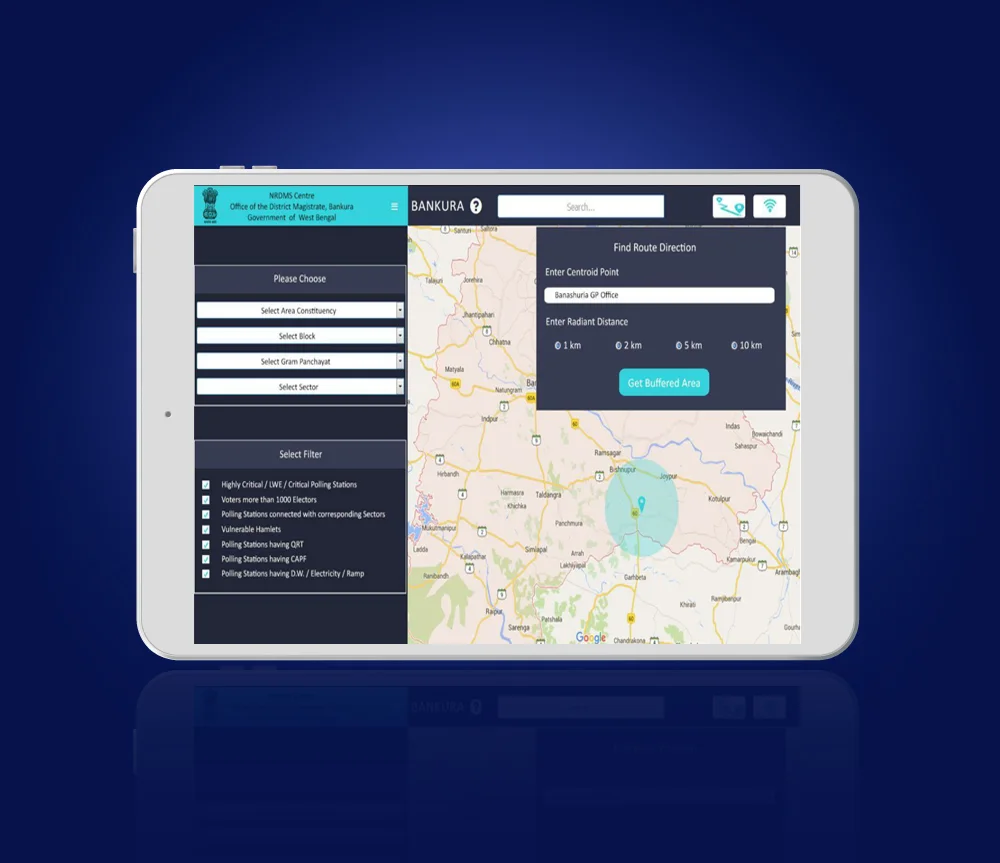
FMCG Distributor, Bengaluru
View Project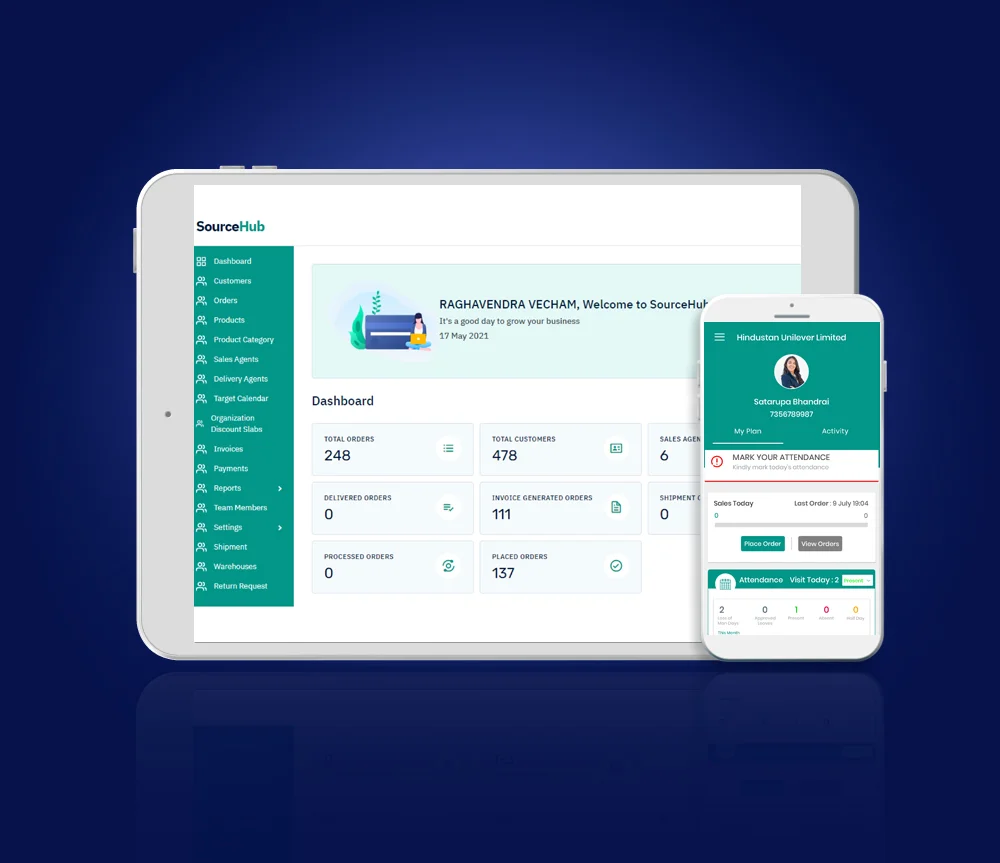
Real Estate Company, Bengaluru
View Project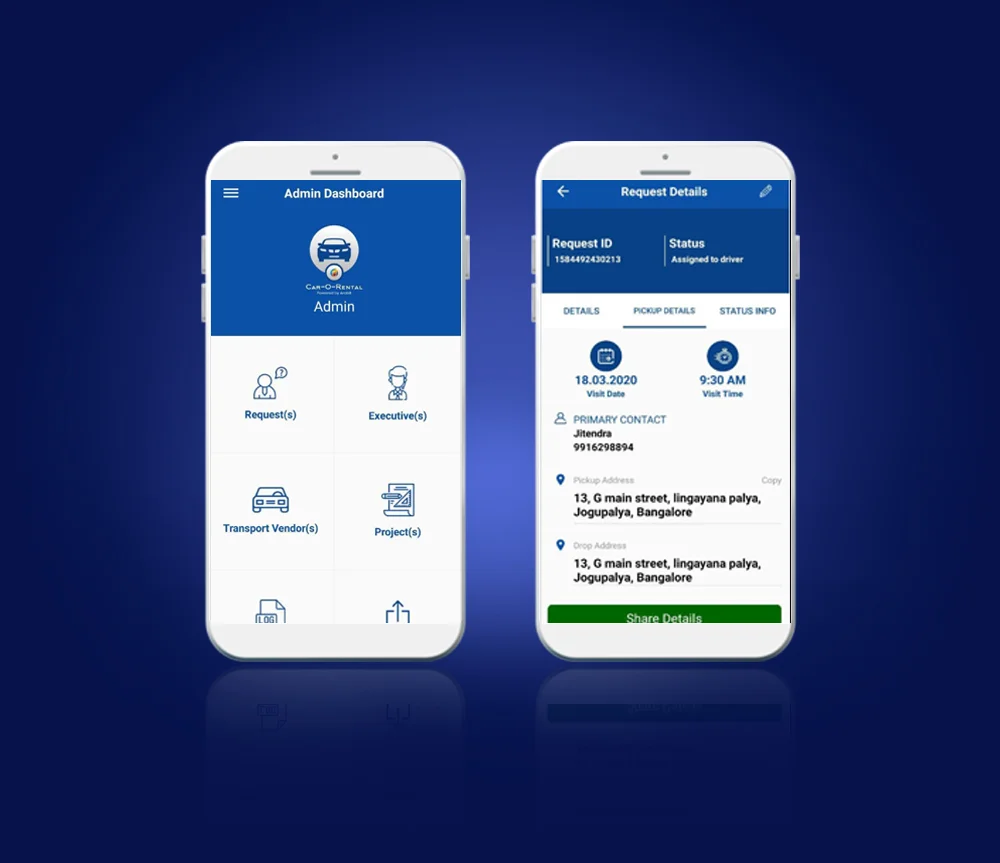
Mining Corporation, India
View Project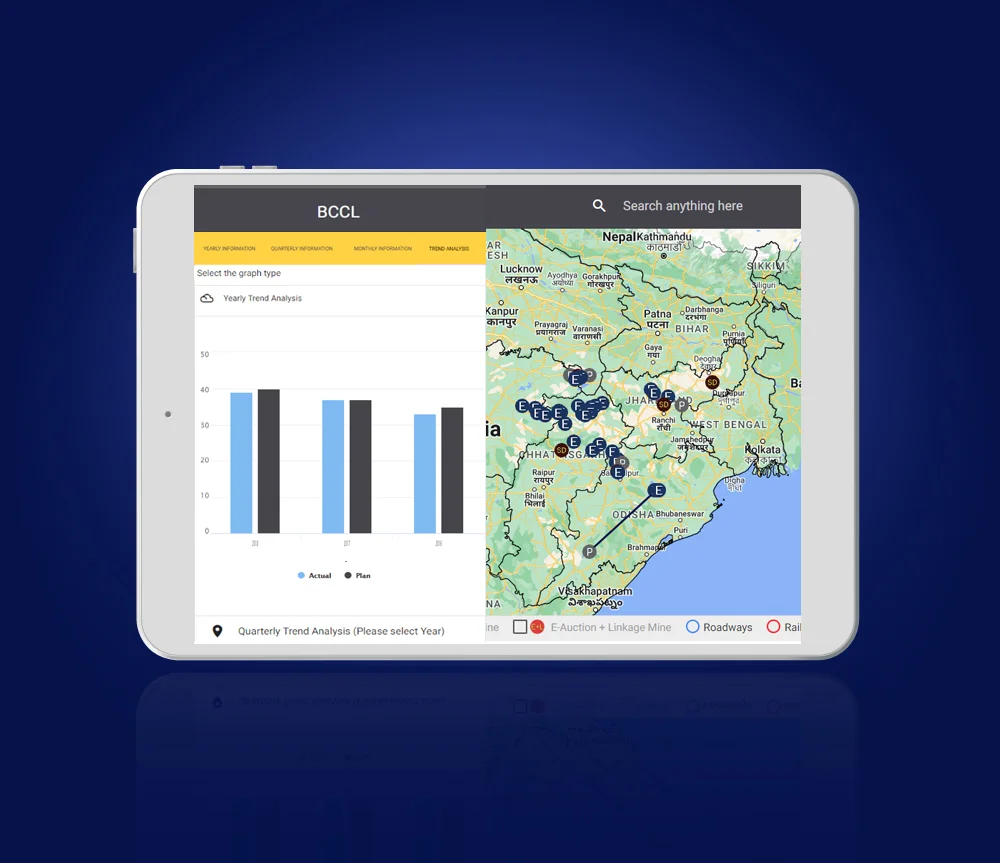
Shipping Industry, Italy
View Project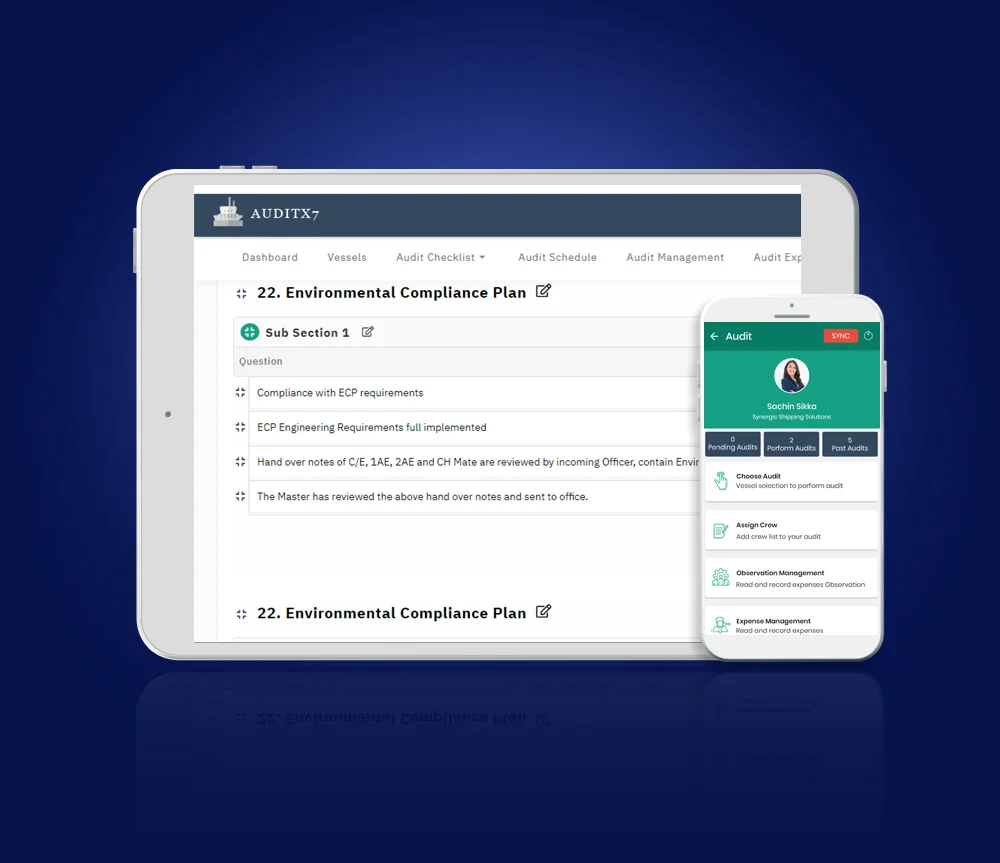
Sports Association, India
View Project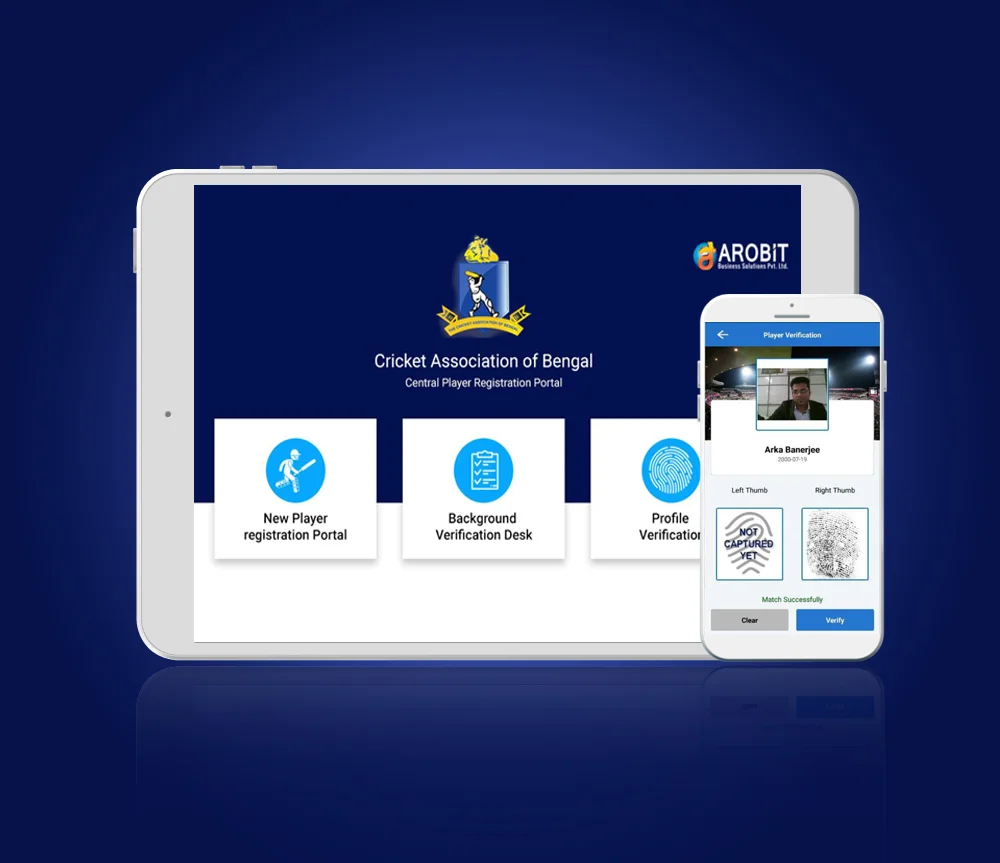
Manufacturing Plant, India
View Project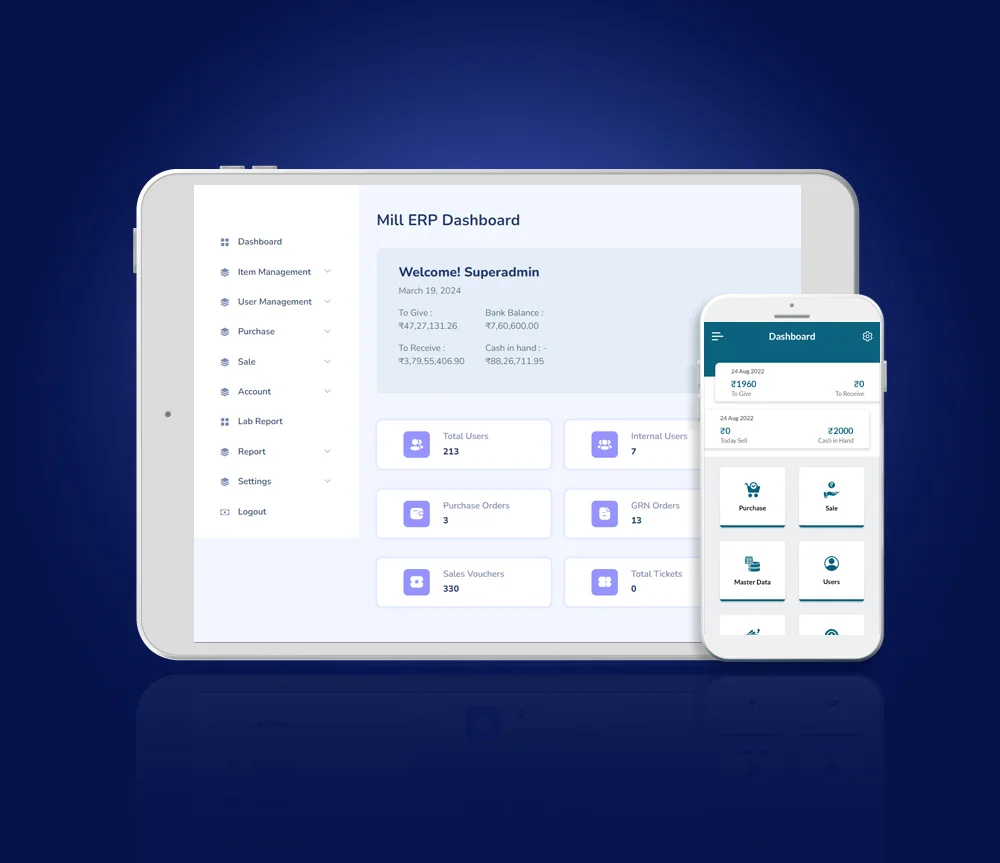
EdTech Company, Bengaluru
View Project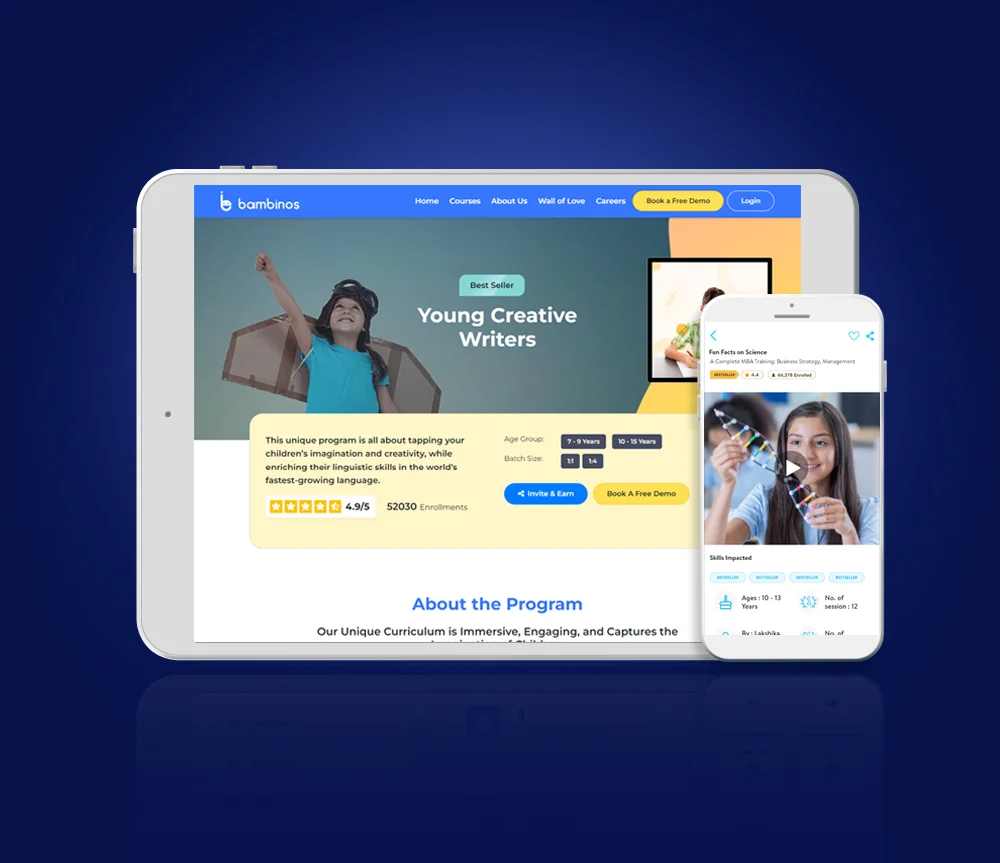
FoodTech Brand, Vietnam
View Project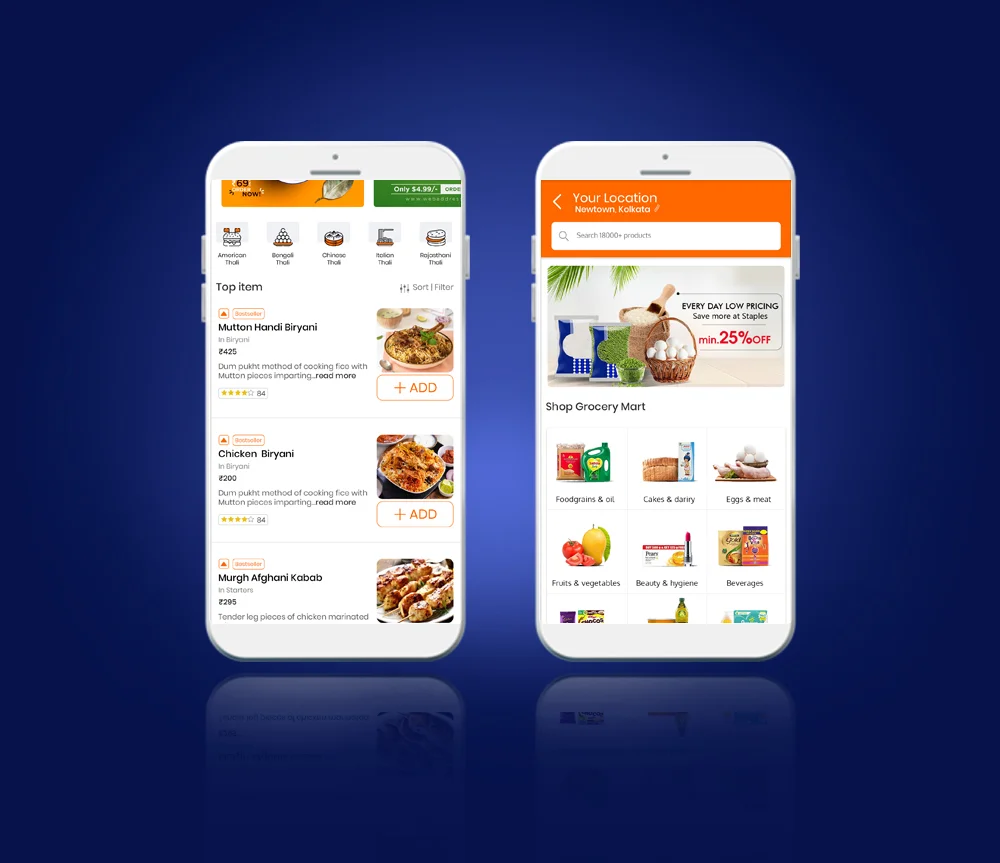
Event Management Company, Prague
View Project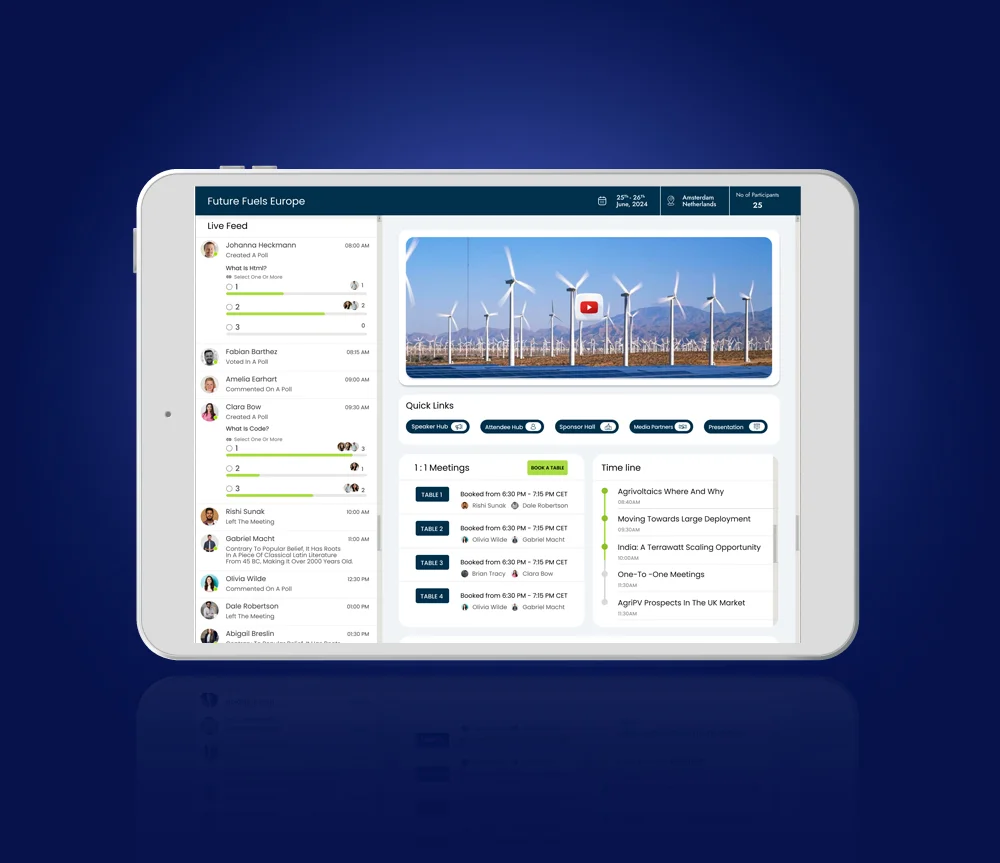
Parking Provider, UK
View Project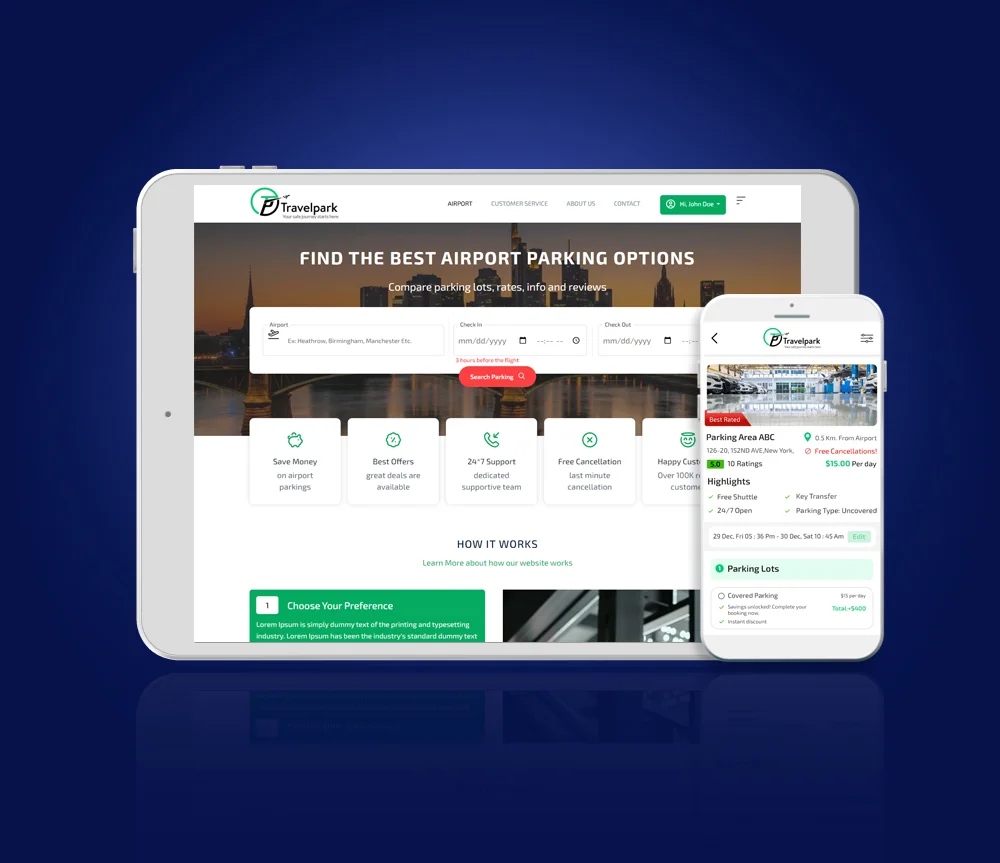
We partnered with Arobit to build a custom CRM and web store for our expanding operations. Earlier, everything was managed on Excel, but Arobit’s solution streamlined processes and improved efficiency across divisions. Their commitment and delivery have given us complete confidence in the partnership.
Arobit developed a customised ERP that unified our FMCG and e-commerce operations. Earlier, all tasks were manual, but their all-in-one software made our workflow seamless and reduced downtime. We truly appreciate their support and responsiveness throughout.
We have been working with Arobit since 2022 for a custom ERP Software for my flour mill. I wanted everything to be automated with the least manpower. Arobit understood the solution and they implemented everything.
So I am very grateful to Arobit for catering to my needs and developing the software as I required.
It has been a real pleasure working with Arobit. What I really like about Arobit is, they have a great attention to detail, they go out of their way to understand what our real problem is and also at the same time provide us with a solution for that matter.
A proficient and driven young team excels in delivering high-quality, cost-effective solutions. Meticulous in their work, they blend creativity with efficiency. Wishing them continued success and anticipating fruitful collaborations on multiple assignments with Acquist.

Arobit truly stands out as an incredibly dynamic and client-focused web solution company. Their patient understanding of our vision and precise delivery in alignment with it have been invaluable. Sending the entire Arobit team my best wishes for continued success.
We don't simply say that we have a top-tier clientele, we mean it. Take a look at some of the top brands, social communities, and app stores, we have worked for.






























































Yes — and we treat AI strategy as a standard component of every IT consulting engagement, not an add-on. We assess your data readiness, identify use cases where AI creates measurable business value, and produce a prioritised AI roadmap that sits inside your broader technology strategy. For most mid-market businesses, the highest-value early AI applications are in operations (process automation, demand forecasting) and customer functions (support automation, personalisation). We don't recommend AI for its own sake — we recommend it where your data is ready and the business case is clear.
You own 100% of every deliverable — roadmaps, assessment reports, governance frameworks, architecture documents, and all supporting models. We sign NDA before any discovery call. There are no proprietary methodology licences, no ongoing subscription to access your own outputs, and no restriction on sharing the documents internally or with third parties. Full IP transfer is contractual, not optional.
It depends on engagement scope — a focused technology audit runs $8,000–$18,000, a full IT roadmap engagement runs $15,000–$35,000, and a digital transformation programme design runs $25,000–$60,000. These are 40–60% lower than equivalent engagements with US or UK consultancies charging $180–$350 per hour, because our senior consultants are India-based. The output — structured, board-ready, documented — is the same. We provide a fixed-fee proposal before any work starts, so there are no billing surprises.
We work across IST, EST, and GMT time zones as a standard operating model — not a special accommodation. US clients get 4–6 hours of same-day overlap for live workshops and stakeholder sessions. UK clients get full morning overlap. We operate async-first between live sessions: shared project workspaces, recorded session summaries, and structured weekly progress updates mean nothing depends on catching us in a three-hour window. Our consultants communicate in plain business English — no technical jargon in stakeholder reports unless the audience is technical.
Yes — we offer a retained advisory model where you access a fixed number of senior consulting hours per month, structured around your planning cycle. A typical retained engagement is 20–40 hours per month covering roadmap reviews, vendor decisions, architecture sign-off, and board preparation. This gives you access to senior advisory capability without a full-time hire. Retained clients also get priority access to our delivery teams if any strategic recommendation moves into an implementation phase.
Scope determines timeline. A focused technology audit or vendor selection engagement typically takes 2–4 weeks. A full IT roadmap or digital transformation programme design takes 6–12 weeks. A cloud strategy engagement including migration sequencing takes 6–10 weeks. An AI strategy assessment takes 4–6 weeks. We provide a detailed timeline with milestones and review points in the proposal — there are no open-ended engagements. Every engagement has a defined end state and deliverable list before work begins.
It depends on your stage and the nature of the work. A full-time IT director makes sense when you have ongoing operational IT management needs — a team to manage, systems to run, helpdesk to oversee. External IT consulting makes sense for strategic or programme-specific work: roadmap design, vendor selection, transformation planning, or governance framework build. Many of our clients use both — a lean internal IT function for operations, and external consulting for strategy cycles and major programmes. We can help you design that model as part of an engagement.
Yes — the majority of our engagements work alongside an internal IT team, not instead of one. We bring structure, cross-industry experience, and capacity for the programme work that internal teams don't have bandwidth for. We work through your internal team's preferred tools and communication channels, document everything in formats they can maintain, and hand over cleanly at the end of the engagement. We don't create dependency — we build internal capability as we go.
Our consulting team has delivered IT strategy, transformation, and technology advisory engagements across manufacturing, healthcare, FMCG, logistics, fintech, and education — across clients in India, the US, UK, Australia, the Middle East, and Southeast Asia. We draw on cross-industry experience as a deliberate methodology: a solution that works in manufacturing supply chain often has direct application in FMCG distribution, and a governance model from healthcare has direct application in fintech compliance. We'll tell you upfront if a client's industry context is outside our experience.
An IT technology audit covers your full technology estate: infrastructure (servers, network, cloud), applications (in-house built, third-party, SaaS), integrations (APIs, manual data flows, file transfers), data architecture (where data lives, who can access it, how it's backed up), and security posture (vulnerability exposure, access controls, patch status). The output is a structured findings report with a scored assessment per domain, a technical debt register with estimated remediation cost per item, and a prioritised action list. The typical audit takes 2–4 weeks and is delivered as a working document — not a slide presentation.
Yes — vendor selection is one of our most requested engagements. We run a structured process: requirements workshop, market scan, scoring matrix design, vendor demo evaluation, proof-of-concept coordination, independent reference checks, and final recommendation with commercial terms benchmarking. We don't take referral fees or reseller commissions from any vendor — our recommendation is based on fit, not commercial arrangement. We also advise on negotiation strategy: where you have leverage, what benchmarks suggest fair pricing, and which contract terms to push back on.
We sign NDA before the first discovery call — not at the start of the engagement, before it. All project data is stored in secure, access-controlled environments. We don't use client data to train models or for any purpose outside the engagement. All consultants on an engagement sign individual confidentiality agreements. At engagement close, we return or delete all client data per your instruction. For clients with specific data residency requirements (GDPR, HIPAA, Australian Privacy Act), we configure the engagement infrastructure to comply before any data is shared.
We build change management into every engagement from the outset. If the scope changes materially — a new acquisition, a technology incident, a leadership change — we document the change, assess the impact on the current engagement, and propose a formal scope amendment before any additional work proceeds. Minor adjustments within the original scope are handled without formal process. We operate on fixed-fee engagements where scope is defined, and time-and-materials engagements where scope is inherently flexible — your proposal will specify which model applies and how scope changes are handled under that model.
Stay on top of the latest trends and industry developments with our insightful blogs.