





In a rapidly changing, complex business environment, Enterprise Resource Planning (ERP) systems have evolved from tactical to strategic systems. Now, an ERP system can be thought of as an organizational engine that connects core business processes. With the global ERP market expected to reach $117.09 billion by 2025, the demand for organizations to leverage ERP systems is high. The surge will continue as businesses turn to authoritative, trusted systems that can facilitate scaling, adaptation, and competition in an environment marked by unpredictability.
Selecting the right modules for ERP systems is an important step when designing technology that is flexible for the needs of each business. Top-tier ERP software development service providers are able to implement modules that are customized based on industry needs while increasing ROI based on implementation scope and speed.
Core ERP Modules—The Essential Building Blocks of Any ERP System
1. Finance & Accounting
- Automates processes such as accounts payable/receivable, budgeting, and accounting, and simplifies financial reporting.
- Automated processes will help ensure zero regulation discrepancies and facilitate financial accuracy.
- Provides cash flow and profitability insight in real-time.
2. Human Resource Management (HRM)
- Manages payroll, recruiting, attendance, and employee records.
- Assists organizations in workforce planning, talent retention, and labor law compliance.
- Promotes employee engagement via self-service portals.
3. Inventory Management
- Allows you to keep track of stock levels and warehouse functions in real time.
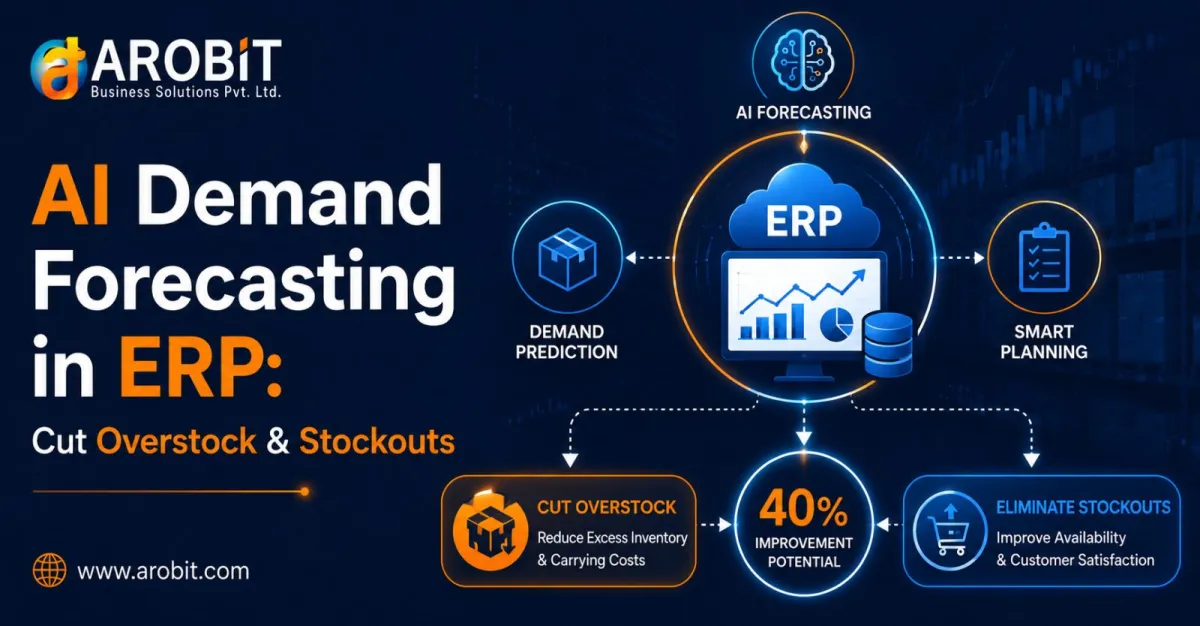
- Automates reordering, reducing the risk of overstocking or stock-outs.
- Improves your turnover rate, which helps you control costs.
4. Procurement/Purchasing
- Facilitates the management of suppliers, requests for quotes, and order processing.
- Reduces costs associated with procurement processes by automating workflows.
- Improve vendor relationships through increased communication and analytics.
Advanced ERP and Industry-Specific Modules
5. Customer Relationship Management (CRM)
- Enables sales, marketing, and customer service capabilities within a single platform.
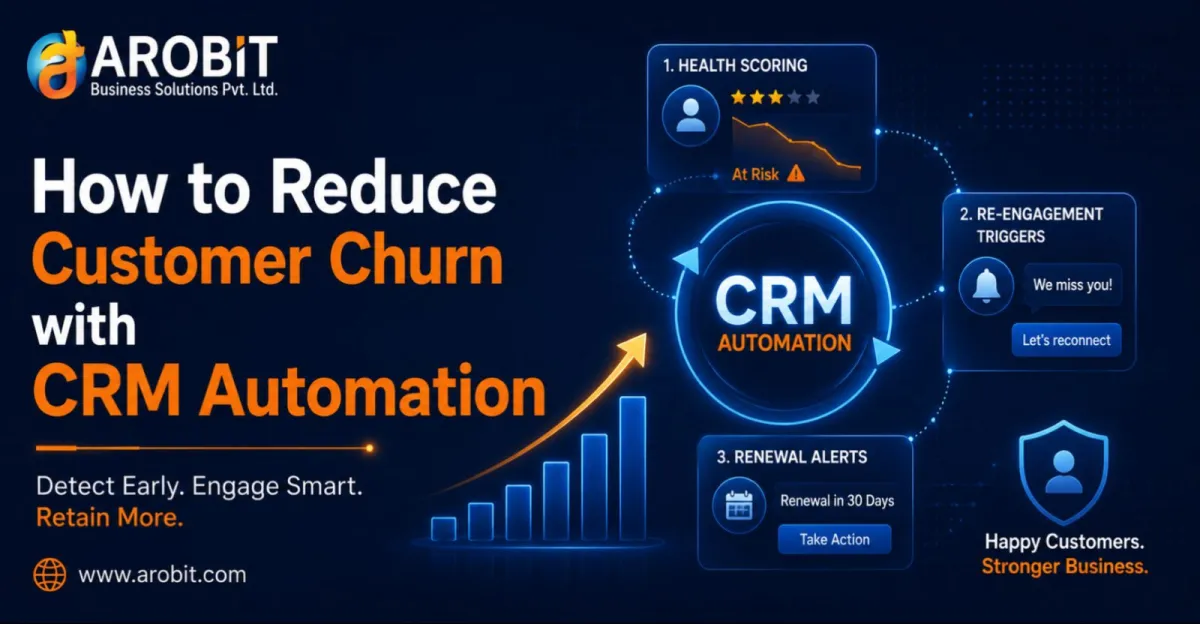
- Increases customer retention through personalized engagement strategies.
- Monitors customer interactions and provides the ability to manage and nurture leads.
6. Supply Chain Management (SCM)
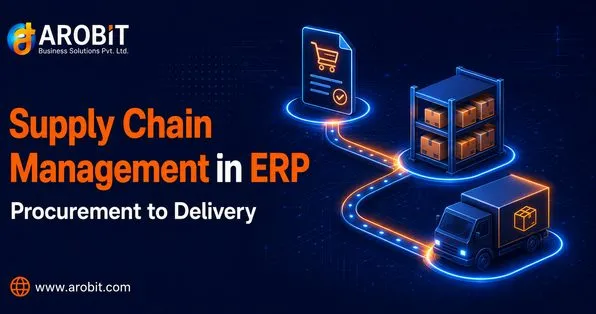
- Manages logistics, order fulfillment, and supply chain analytical tools.
- Improves visibility across the various networks in procurement, production, and delivery.
- Uses predictive analytics, which allows organizations to adapt to supply chain interruptions.
7. Production & Manufacturing
- Enables production planning, BOM (bill of materials), and shop floor controls.
- Critical for discrete manufacturing (car manufacturing) and process manufacturing (food products).
- Enhances the efficiency of operation by merging with inventory and supply chain modules.
8. Project Management
- Offers task scheduling, budget utilization, and team communication from a single source.
- Good for service-based industries, both IT consulting and construction projects.
- Tracks project completion in real-time for resource allocation.
- Recent Digital Additions from Leading ERP Software Vendors
Modern Digital Add-ons by Top ERP Companies
9. Business Intelligence and Analytics
- Includes dashboards with key performance metrics (KPMS) to provide information for action.
- Predictive analytics for forecasting trends can give businesses insights into improving decision-making.
- Identifies various department inefficiencies.
10. Compliance and Risk Management
- Ensures compliance with industry policy and regulations and internal policy and procedures.
- Tracks audits, risk factors, and risk management strategies, all in real time.
- Essential in industries like finance or healthcare where compliance is fully enforced.
Comparison Chart: Industry Benefits of ERP Modules
Module
Industries Benefiting Most
Finance & Accounting
All industries
Human Resource Management
Retail, Manufacturing, Healthcare
Inventory Management
Retail, E-commerce
Procurement
Manufacturing, Construction
CRM
Retail, Hospitality
SCM
Manufacturing, Logistics
Production & Manufacturing
Automotive, Food Processing
Project Management
Construction, IT Services
BI & Analytics
Finance, Marketing
Compliance & Risk
Healthcare, Finance
FAQs
1. What ERP module is the most crucial for almost every business?
Many organizations consider the finance and accounting module to be the cornerstone of their ERP system, as it manages financial transactions, budgeting, compliance, and reporting—everything you need to run a business, no matter the industry. Having an accurate financial record from the outset encourages better management decisions and planning for the future.
2. Can ERP modules be tailored on a case-by-case basis to industry or organizational requirements?
Yes, most ERP software developers produce modules that will be specific to a particular industry as needed. Almost all suppliers of ERP systems will offer a different range of modules to meet the different requirements of different industries. For example, in manufacturing companies, the ideal and typical ERP package would include production planning functions as industry priorities, whereas in the context of service businesses, the business package would prioritize modules such as project management and customer relationship management (CRM). Companies want to customize their ERP systems to promote operational efficiencies and return on investments.
3. Do organizations have to implement all ERP modules all at once?
No, organizations can take a phased approach to implementing ERP modules and only implement those modules they currently require. ERP systems are built in modular form and are able to be expanded. The phased approach allows an organization to adapt their ERP system over time to deliver increased functionality as the business changes and grows. This can reduce upfront costs and should minimize implementation disruptions.
Conclusion
Choosing the right ERP modules can lay the foundation for operational excellence and strategic growth. Core modules, such as Finance & Accounting and Inventory Management, will help support multiple industries. Advanced modules like BI or Compliance offer solutions to problems being faced by the modern organization. Leading providers of ERP software development services will facilitate the development of these modules as they relate to your specific business context. If you consult with expert developers that know the nuances of your business context, you can leverage their knowledge and understanding of your context to build accurate efficiency going forward.




Comments
No comments yet. Be the first to share your thoughts!