




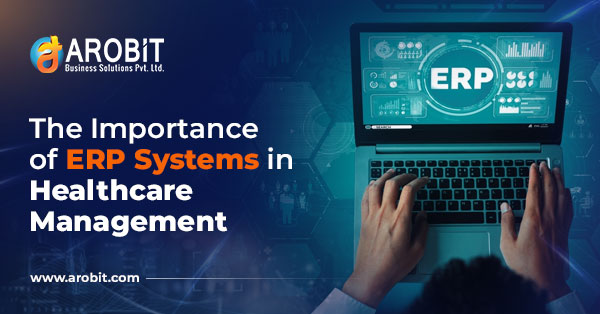
The healthcare industry is among the most complicated industries. It can be complicated because of its operations, regulatory oversight, the necessity to provide quality care, and the management of costs. Enhancing efficiencies is crucial for providers so that they have the opportunity to take care of patients and avoid wasting time on ineffective administrative processes.
Take, for instance, what is known as Enterprise Resource Planning (ERP) systems, which are transformative technologies that consolidate and automate various processes of healthcare organizations. ERP systems are becoming increasingly essential to modern healthcare administration, allowing organizations to successfully manage dysfunction and improve efficiencies.
What is an ERP system?
An ERP system is a software solution designed to centralize data, automate processes, and integrate various functions within an organization.
Key Features and Functions:
- Centralized Data Management: Provides a unified platform for storing and accessing data across departments.
- Automation: Streamlines repetitive tasks like billing, inventory tracking, and scheduling.
- Interoperability: Ensures seamless communication between disparate systems like Electronic Health Records (EHRs) and billing platforms.
In healthcare, ERP systems play a pivotal role in breaking down silos, improving communication, and enabling real-time decision-making.
Key Challenges in Healthcare Management
Healthcare administrators face several challenges that hinder efficiency:
- Fragmented Data: Patient records, billing information, and inventory data often exist in isolated systems, making collaboration difficult.
- Rising Operational Expenses: Managing resources efficiently while controlling costs is a constant struggle.
- Regulatory Compliance: Adhering to standards like HIPAA and HL7 requires meticulous record-keeping and secure data management.
- Patient Records & Billing: Ensuring accuracy in patient data and billing processes is critical but challenging without integrated systems.
- Need for Real-Time Decision-Making: Quick access to accurate data is essential for timely diagnoses and treatment plans.
How ERP Systems Address Healthcare Challenges
1. Centralized Data Management
ERP systems create a unified platform that integrates patient records, inventory data, billing information, and more. This centralized approach eliminates duplication, reduces manual entry errors, and ensures that every department is working with up-to-date and accurate information.
2. Improved Patient Care
By offering quick and secure access to patient data, ERP systems empower healthcare professionals to speed up informed decisions. This leads to timely diagnoses, efficient treatment planning, and a better overall patient experience.
3. Regulatory Compliance
ERP solutions are often equipped with built-in compliance tools that help healthcare organizations adhere to industry regulations such as HIPAA and HL7. This not only minimizes the risk of non-compliance penalties but also enhances data security and patient privacy.
4. Cost Efficiency
Automating routine administrative tasks like billing, appointment scheduling, and inventory management significantly reduces operational expenses. ERP systems streamline processes and cut down on manual work, leading to better resource utilization and long-term savings.
5. Inventory & Supply Chain Management
ERP systems enhance visibility into medical inventory, ensuring that supplies are adequately stocked and tracked in real-time. This helps prevent overstocking, understocking, and wastage—ultimately improving the efficiency of the healthcare supply chain.
6. HR & Payroll Management
Healthcare ERP software simplifies workforce management through features like automated payroll processing, attendance tracking, and efficient staff scheduling. This results in improved employee satisfaction, reduced administrative workload, and better allocation of human resources.
Real-World Applications of ERP in Healthcare
Several hospitals and clinics have successfully implemented ERP systems with measurable results:
- Case Studies: Examples include reduced wait times for patients due to streamlined scheduling or significant cost savings through automated inventory control.
- Quantifiable Improvements: Organizations have reported improved operational efficiency and enhanced patient satisfaction as direct outcomes of ERP adoption.
Future of ERP in Healthcare
The future of ERP in healthcare is promising with advancements such as:
- Integration with AI & IoT: AI-powered analytics can predict patient needs, while IoT devices seamlessly integrate real-time health data into ERP systems.
- Telemedicine Support: ERP systems are increasingly facilitating virtual consultations by integrating telehealth platforms.
- Cloud-Based Solutions: Cloud-based ERP offers scalability, security, and remote accessibility—ideal for modern healthcare organizations.
Choosing the Right ERP Solution for Healthcare
When selecting an ERP system, consider:
- Scalability: Make sure the solution can adapt and expand as your organization grows.
- Security: Look for robust encryption and compliance with healthcare regulations like HIPAA.
- Customization: The ability to tailor modules to specific workflows is crucial for effectiveness.
- Vendor Experience: Partnering with an experienced ERP development company ensures smooth implementation and ongoing support.
FAQs
Q1. What is a healthcare enterprise resource planning (ERP) system?
A1. A healthcare enterprise resource planning system is a software system that integrates several functional areas, including patient care, billing, inventory and supply chain management, human resources, and regulatory compliance, into one system to enable effective operations in a healthcare system.
Q2. How does an ERP system improve patient care?
A2. ERP systems improve patient care by improving access to real-time patient medical history and information, helping healthcare providers to make quicker and more accurate diagnoses and treatments, and therefore resulting in improved patient outcomes.
Q3. Can healthcare organizations remain regulatory compliant while using ERP systems?
A3. Using ERP systems can help organizations meet regulatory compliance requirements such as HIPAA, HL7, and healthcare regulations—a robust ERP system will have features to assist organizations in meeting regulatory compliance requirements.
Conclusion
ERP systems are transforming the management of healthcare operations by providing solutions to three major challenges: operational data silos, rising costs, and regulatory compliance. ERP systems facilitate the consolidation of operations, automate workflows, and provide decision-making information in real time to improve efficiency and quality of care. With the healthcare industry shifting toward AI and cloud-based solutions, the selection of an ERP development company is increasing in importance. Investing in the right ERP development company brings an upgrade of technology, and the right ERP system equates to an investment in superior patient care in an ever-evolving healthcare environment.







Comments
No comments yet. Be the first to share your thoughts!