 +1-530-388-5507
 +91 91633 67905
Service requests are logged and tracked through a centralized system
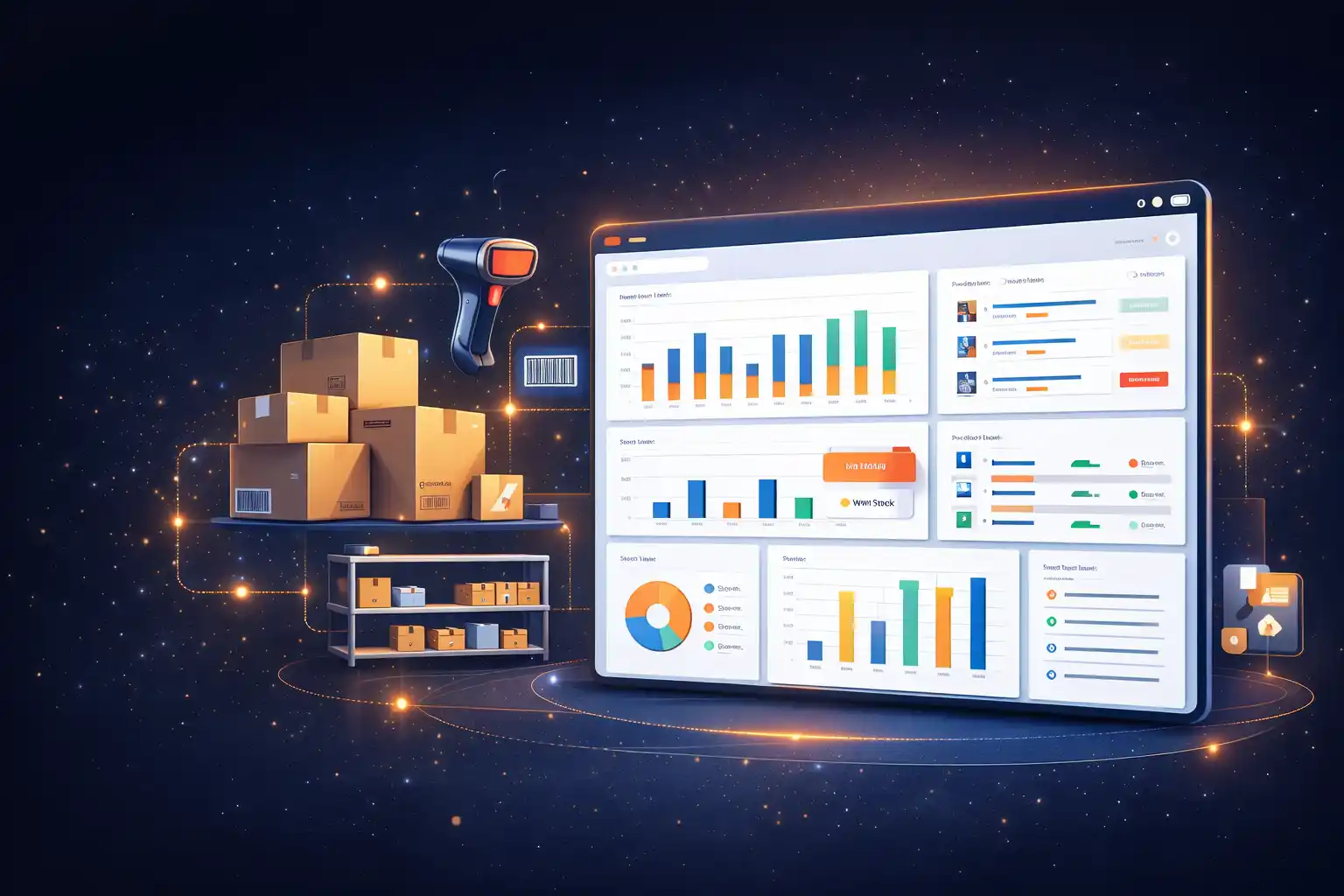
Without a structured ERP service management system, service teams face inefficiencies and a lack of control.
Manual processes or multiple tools lead to missed or delayed service handling.
Without visibility, assigning the right resources at the right time becomes difficult.
Lack of structured data makes it difficult to track KPIs and service quality.
Disconnected systems create delays and inconsistent customer experiences.
Without proper documentation, tracking service history becomes challenging.
Service requests are logged and tracked through a centralized system
Tasks and service schedules are assigned to teams automatically
Resource allocation is optimized based on availability and priority
Service performance is monitored using real-time data
Customer feedback and service history are recorded
Reports and analytics help improve service operations

Streamline service workflows, manage resources, and deliver consistent service experiences using an ERP service management module.
Talk to a Service ERP Specialist →
Track and manage service tickets from initiation to resolution using ERP service management module.
Assign tasks, monitor progress, and ensure timely service delivery.
Optimize workforce and resource usage for better service efficiency.
Plan and manage service timelines with automated scheduling tools.
Track service KPIs and improve operational efficiency using the service management ERP system.
Capture feedback and improve service quality based on real insights.
Maintain records for audits and ensure traceability of service operations.
Manage service tickets, support requests, and client interactions efficiently.
Track equipment servicing, maintenance schedules, and service history.
Ensure timely service delivery and resource allocation.
Manage field operations, workforce scheduling, and service tracking.
Scale service operations with a flexible ERP service management system.
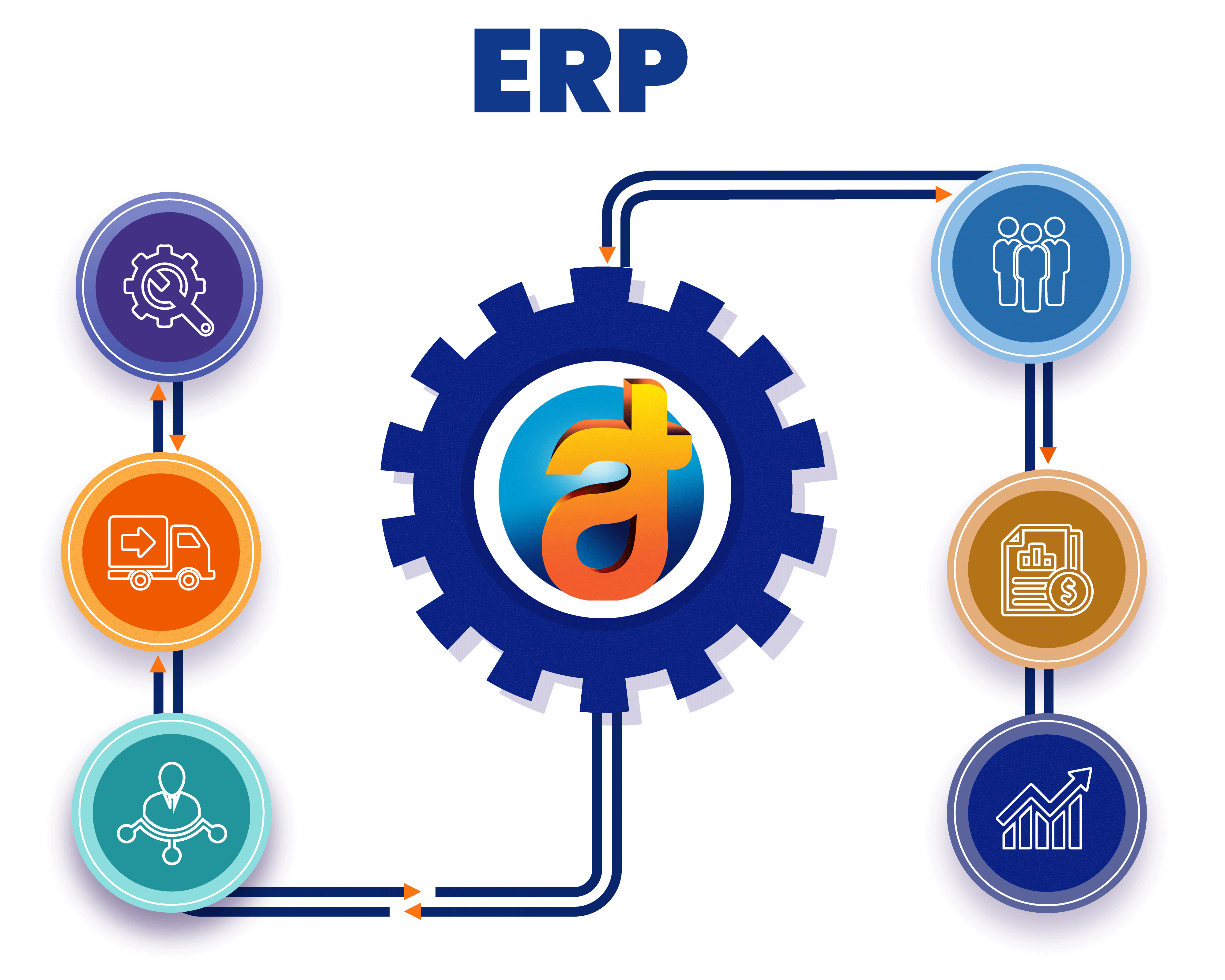
These integrations ensure the service operation management module in erp works as part of a unified ERP ecosystem.

CRM module for customer data and service requests
HR module for workforce management and scheduling
Project management module for task tracking
Inventory module for spare parts and service materials
Communication tools for real-time updates
This ensures organizations achieve better control over service operations using a scalable ERP system.
Streamline service workflows, optimize resources, and improve service delivery using a unified ERP service module.
It is a system that manages service requests, workflows, resource allocation, and performance tracking within a centralized platform.
ERP automates workflows, improves resource planning, and provides real-time insights into service performance.
Yes, it allows businesses to track service requests from initiation to resolution
It provides visibility into resource availability and helps assign tasks efficiently.
Yes, faster response times and better service tracking lead to improved customer experience.
Yes, it helps manage field teams, schedules, and service tracking effectively.
Yes, workflows can be tailored based on business requirements.
It provides real-time reports and analytics to monitor service KPIs.
It eliminates manual processes, improves coordination, and enhances visibility.
Yes, it integrates with CRM, HR, inventory, and other modules for seamless operations.
We don't simply say that we have a top-tier clientele, we mean it. Take a look at some of the top brands, social communities, and app stores, we have worked for.



































































Stay on top of the latest trends and industry developments with our insightful blogs.