 +1-530-388-5507
 +91 91633 67905
Goods receipts from procurement or production are recorded directly within ERP
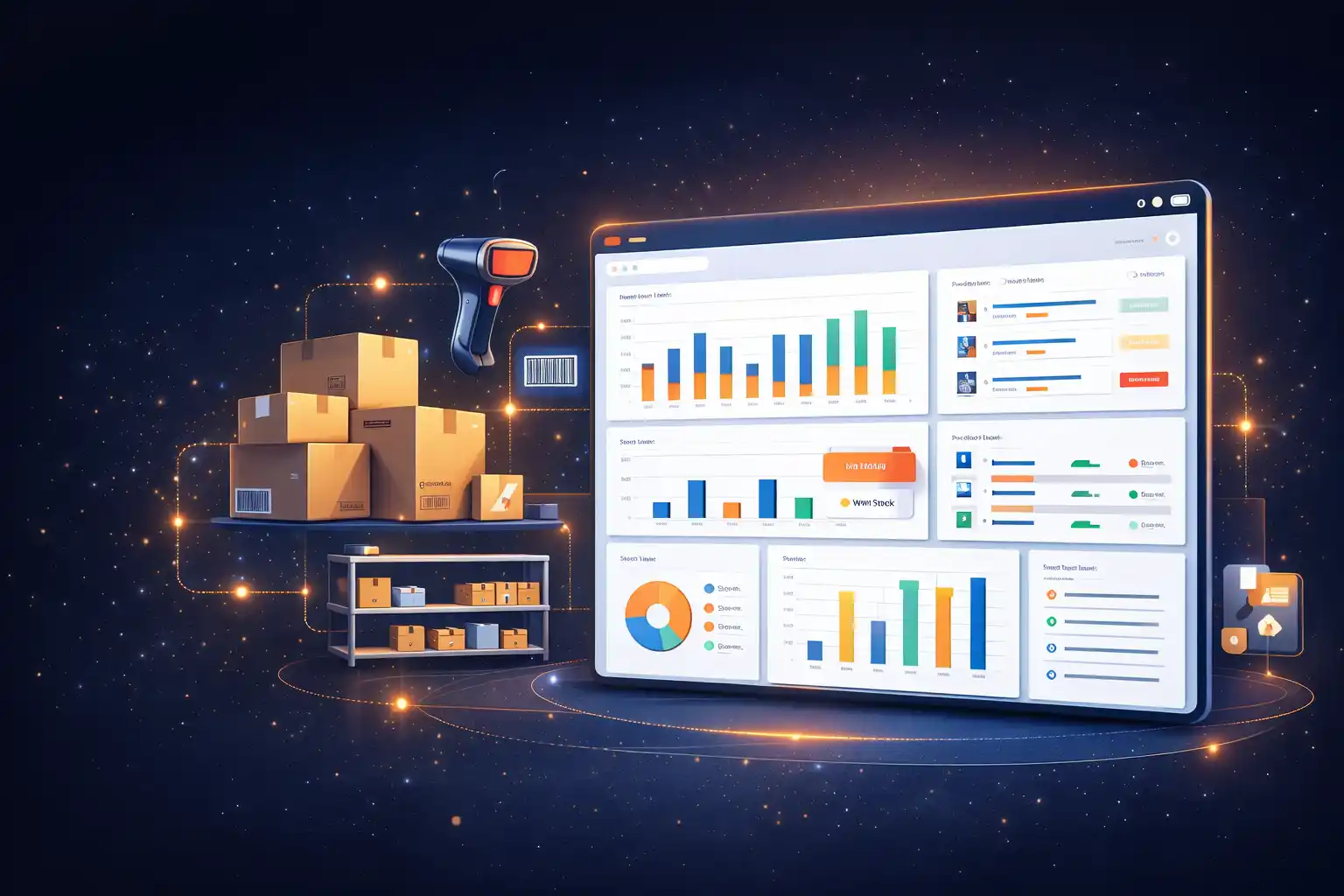
When inventory control software operates outside ERP processes, reliability declines.
Transactions recorded outside the inventory management system ERP create discrepancies that disrupt planning and fulfillment.
Without reservation discipline inside the inventory management system, stock appears available but cannot be reliably committed.
Limited visibility drives over-purchasing and slow-moving stock accumulation.
Disconnected inventory tracking software creates valuation inconsistencies and reconciliation delays.
Fragmented inventory management software solutions increase regulatory risk and audit exposure. An integrated inventory management system ERP mitigates these risks through synchronized transaction control.
Goods receipts from procurement or production are recorded directly within ERP
Inventory balances update instantly across warehouses and business units
Stock is reserved against confirmed sales or production orders
Transfers and allocations follow structured ERP workflows
Continuous reconciliation maintains data integrity
Inventory valuation updates financial ledgers automatically

Track stock in real time, manage batches efficiently, and reduce inventory loss with a customized ERP inventory module.
Schedule an Inventory Module Demo →
Ensure accurate visibility across operations without relying on disconnected external systems.
Centralize distributed stock under one ERP framework.
Prevent allocation conflicts between sales and production.
Automate replenishment using consumption trends and defined thresholds.
Maintain financial alignment through ERP-integrated valuation logic.
Streamline audit trails and regulatory compliance with structured inventory controls.
Support batch, serial, and expiry tracking inside ERP.
Through structured inventory management software development, workflows can be extended for complex operational requirements.
Operate this inventory management system software within a secure cloud based inventory management software ERP environment..
Synchronize raw materials, WIP, and finished goods with production planning and BOM structures.
Ensure batch traceability, expiry tracking, and compliance alignment.
Reserve and allocate inventory against project budgets and job orders inside ERP.
Manage warehouse transfers, replenishment, and high SKU volumes within ERP.
Maintain centralized stock visibility while managing location-level allocations.
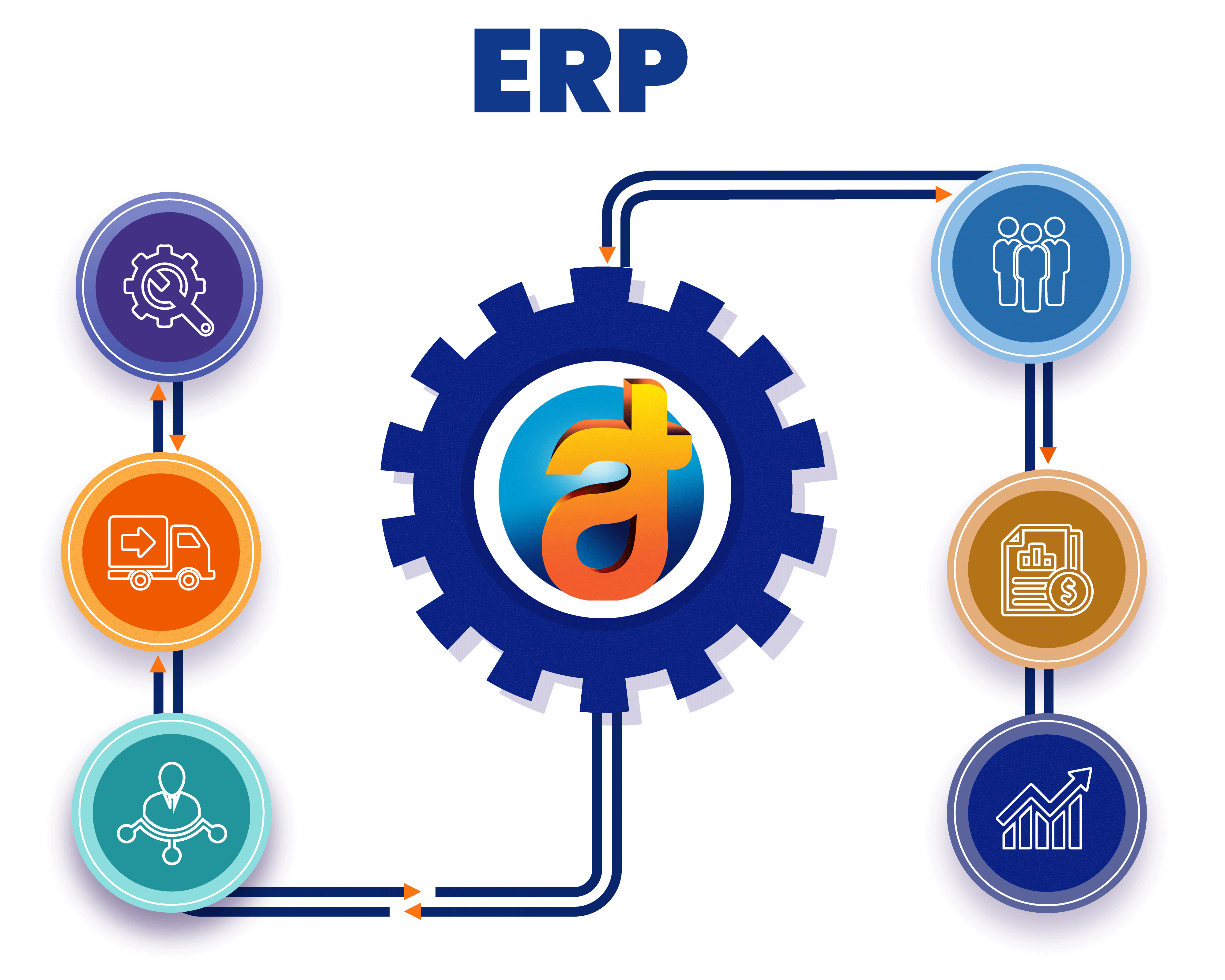
These integrations convert standalone inventory tracking software into comprehensive inventory management software solutions embedded within ERP.

Finance and accounting modules for valuation and reporting
Procurement modules for purchase-to-receipt synchronization
Production planning modules for material consumption alignment
Sales modules for reservation and fulfillment governance
Third-party logistics and eCommerce integrations
These integrations convert standalone inventory tracking software into comprehensive inventory management software solutions embedded within ERP.
This inventory management module strengthens operational control, financial governance, and long-term ERP scalability.
Eliminate inventory discrepancies, improve batch traceability, and gain real-time stock visibility with a structured ERP inventory system.
ERP inventory management fails when operational workflows are not embedded into the inventory management system ERP. Many companies continue using spreadsheets alongside the system, weakening inventory control software reliability. The issue is usually governance, not technology.
Inventory mismatches occur when real time inventory tracking software is not enforced at every transaction point. Delayed postings or manual overrides create discrepancies between physical stock and system records.
Costs vary depending on scope, data complexity, and customization needs. Total cost often includes implementation services, data migration, training, and in some cases custom inventory management software development. Organizations that enforce structured adoption typically recover investment through reduced excess stock and improved turnover.
Stockouts occur when reorder logic is static or reservation governance is weak. Real time inventory tracking software must operate inside ERP planning workflows to prevent allocation conflicts.
By integrating inventory control software with ERP, businesses gain consumption visibility, reorder discipline, and reservation enforcement. This reduces excess inventory and improves inventory turnover.
When inventory management system software operates outside ERP finance workflows, reconciliation gaps appear. Integration ensures valuation updates automatically with each transaction.
Standalone inventory tracking software may track quantities but lacks enterprise governance. An inventory management system ERP connects inventory with procurement, production, sales, and finance — reducing operational blind spots.
Organizations typically report:
Migration requires data cleansing, SKU normalization, and process alignment. Transitioning from spreadsheets to structured inventory control software usually improves visibility quickly once workflows are enforced.
Cloud based inventory management software integrated within ERP provides centralized visibility, scalability, and controlled access across business units.
Sustainable performance requires:
Absolutely! Rest assured that every service we offer is covered and safeguarded by the project agreement that we have meticulously developed, taking into account your feedback every step of the way.
Our usual response time falls within a 6-hour timeframe...
Indeed, we offer on-demand services for on-site support to meet our clients' needs.
ERP cost for small manufacturing companies depends on the number of modules, level of customization, and integration needs.
A basic custom ERP covering inventory, production planning, accounting, and reporting typically starts from USD 8,000 to USD 15,000.
Costs increase when advanced features such as quality control, shop-floor tracking, CRM, or third-party system integrations are required. Custom ERP pricing ensures businesses pay only for features they actually use.
Hidden costs often arise when planning is incomplete. Common areas include:
A structured ERP implementation approach with clear documentation helps control these costs early.
ERP pricing can follow both models:
Many manufacturing businesses prefer a one-time development model for long-term cost control and ownership.
ERP implementations usually fail due to non-technical reasons such as:
Successful ERP projects focus on process alignment, phased rollout, and continuous user adoption.
An ERP implementation partner is strongly recommended.
An experienced partner ensures the ERP is aligned with real operations, not just software features.
The right ERP implementation partner should offer:
A good partner acts as a process consultant first and a technology provider second.
We don't simply say that we have a top-tier clientele, we mean it. Take a look at some of the top brands, social communities, and app stores, we have worked for.

































































Stay on top of the latest trends and industry developments with our insightful blogs.