





APIs enable applications to exchange data, automate workflows, and connect with third-party services. As organizations build more connected systems, controlling how APIs are accessed becomes just as important as designing the APIs themselves. Without proper safeguards, a sudden increase in requests—whether intentional or accidental—can slow down services, affect users, and strain backend resources.
API Rate Limiting is one of the most effective ways to manage API traffic. It helps prevent misuse, distributes resources fairly, and keeps services available during periods of high demand. Whether you're building customer-facing platforms, enterprise systems, or cloud-based applications, a well-planned rate-limiting strategy supports reliable operations and long-term scalability.
What Is API Rate Limiting?
API Rate Limiting is the practice of restricting the number of requests a client can send to an API within a defined time frame. The limit can be applied per user, API key, IP address, application, or organization.
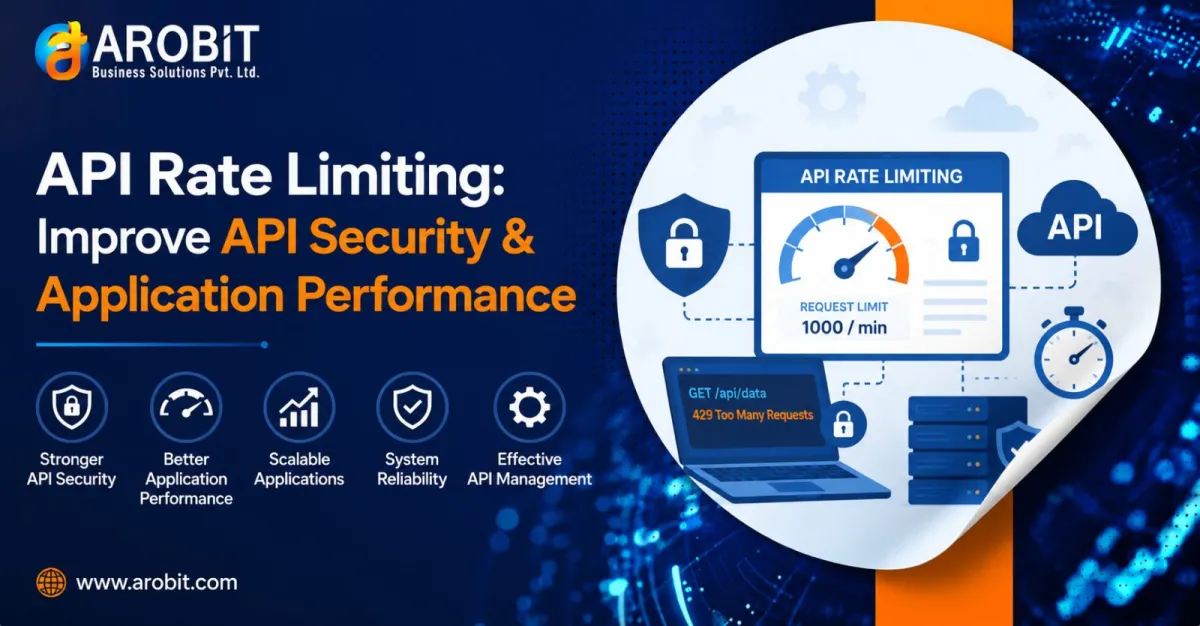
For example, an API may allow 100 requests per minute for each authenticated user. Once that threshold is exceeded, additional requests are temporarily rejected until the limit resets. Most APIs return an HTTP 429 Too Many Requests response along with information about when clients can safely retry.
This approach helps maintain predictable service quality while ensuring that no single consumer monopolizes system resources.
Why API Rate Limiting Matters
Strengthens API Security
One of the primary reasons organizations implement API Security measures is to reduce the risk of abuse. Public-facing APIs are common targets for brute-force login attempts, credential stuffing, scraping bots, and denial-of-service attacks.
Rate limiting slows repeated requests from the same source, making automated attacks more difficult to execute. While it does not replace authentication, encryption, or web application firewalls, it adds another layer of protection that helps reduce unnecessary exposure.
Sensitive endpoints such as login, password reset, and OTP verification often use stricter request limits because they are more likely to be targeted.
Improves Application Performance
Unexpected traffic spikes can consume server resources quickly. Excessive API requests increase CPU usage, database queries, and network utilization, eventually affecting Application Performance for legitimate users.
Rate limiting helps distribute requests more evenly across available infrastructure. Instead of allowing sudden bursts to overwhelm backend services, it maintains a manageable flow of traffic that supports consistent response times and better user experience.
This becomes especially important for applications handling thousands of simultaneous users.
Supports Scalable Applications
Growth should not come at the cost of stability. As user traffic increases, APIs must continue performing reliably without creating bottlenecks.
A carefully designed API Rate Limiting strategy contributes to scalable applications by preventing resource exhaustion and encouraging efficient request handling. Combined with load balancing, caching, and asynchronous processing, rate limiting enables systems to handle increased demand more predictably.
Organizations building SaaS platforms, e-commerce solutions, or enterprise portals often combine these techniques to support business growth while maintaining service quality.
Maintains System Reliability
Reliable applications depend on consistent availability. When APIs become overloaded, failures in one service can affect multiple connected systems.
Implementing request limits helps improve system reliability by protecting backend services from sudden traffic surges. This reduces downtime, minimizes cascading failures, and allows critical business operations to continue even during periods of unusually high demand.
For organizations where APIs support payment processing, inventory management, or customer portals, reliability directly affects operational continuity and customer satisfaction.
Common API Rate Limiting Strategies
There is no single rate limiting model suitable for every application. The right approach depends on traffic patterns, endpoint sensitivity, and business requirements.
Some widely used strategies include:
Requests Per Minute (RPM): Limits requests within a one-minute window and works well for many REST APIs.
Requests Per Second (RPS): Provides finer traffic control for high-volume applications.
Token Bucket: Allows short bursts of traffic while maintaining an average request rate.
Sliding Window: Tracks requests continuously, providing smoother and more accurate rate enforcement.
Concurrent Request Limits: Restricts the number of requests processed at the same time for resource-intensive operations.
Selecting the appropriate strategy requires balancing user experience with infrastructure capacity.
Best Practices for Effective API Management
Successful API Management involves more than setting request limits. Rate limiting should be part of a broader governance strategy that balances performance, security, and usability.
Consider these best practices:
Define limits based on user roles or subscription plans.
Apply stricter limits to authentication and payment endpoints.
Return clear error responses using HTTP 429.
Include rate limit headers so clients know when to retry.
Monitor API usage trends and adjust thresholds as traffic evolves.
Test rate limiting policies under realistic workloads before deploying to production.
Regular monitoring also helps identify unusual traffic patterns before they affect application availability.
API Rate Limiting in Custom Software Development
Every organization has different usage patterns, business processes, and performance expectations. A generic rate limiting policy may not suit every application.
During Custom Software Development, architects typically design rate limiting policies around actual business requirements. Customer portals, ERP platforms, healthcare systems, and financial applications often require different request thresholds depending on user behavior and transaction volume.
Tailoring rate limiting rules to each application's workload helps balance security, usability, and infrastructure efficiency.
Key Considerations Before Setting Rate Limits
There is no universal standard for determining API request limits. Instead, organizations should evaluate several factors before selecting thresholds:
Expected daily and peak traffic
Infrastructure capacity
Endpoint complexity
Business-critical operations
User experience expectations
Security risks
Compliance requirements
Load testing and production monitoring provide valuable insights for refining these limits over time rather than relying on fixed assumptions.
Conclusion
API Rate Limiting is more than a mechanism for controlling traffic—it is a key architectural practice that helps organizations strengthen API security, maintain application performance, support scalable applications, and improve system reliability. As APIs continue to power business-critical applications, designing thoughtful rate limiting policies becomes essential for ensuring reliable and secure operations.
For organizations developing new digital platforms or modernizing existing systems, rate limiting should be considered early in the software architecture rather than added as an afterthought. At Arobit Business Solutions, we help businesses design and deliver secure, high-performing applications through Custom Software Development that aligns with real operational requirements. By combining technical expertise with a practical understanding of business processes, we build solutions that remain resilient, scalable, and ready to support future growth.
Frequently Asked Questions
1. What is API Rate Limiting?
API Rate Limiting is the process of restricting the number of API requests a client can make within a specified time period to protect system resources and maintain service availability.
2. Why is API Rate Limiting important for API Security?
It helps reduce brute-force attacks, bot activity, and abuse by limiting how frequently users or applications can access sensitive API endpoints.
3. Does API Rate Limiting improve application performance?
Yes. By preventing excessive requests from overwhelming servers, it helps maintain stable response times and improves overall application performance.
4. Which rate limiting algorithm is commonly used?
Popular algorithms include Token Bucket, Sliding Window, Fixed Window Counter, and Leaky Bucket. The best choice depends on the application's traffic patterns and performance requirements.
5. How does API Rate Limiting support scalable applications?
It prevents resource exhaustion during traffic spikes, allowing applications to grow while maintaining consistent performance and reliable service for all users.







Comments
No comments yet. Be the first to share your thoughts!